
The Japanese Immigrant Community in America during Its Formative Years as Seen in the Fukuinkai Enkaku Shiryo (The Gospel Society Historical Sources)
Non-sectarian Strategies of Welfare and Educational Advocacy among Japanese Immigrants in Late Nineteenth-Century America

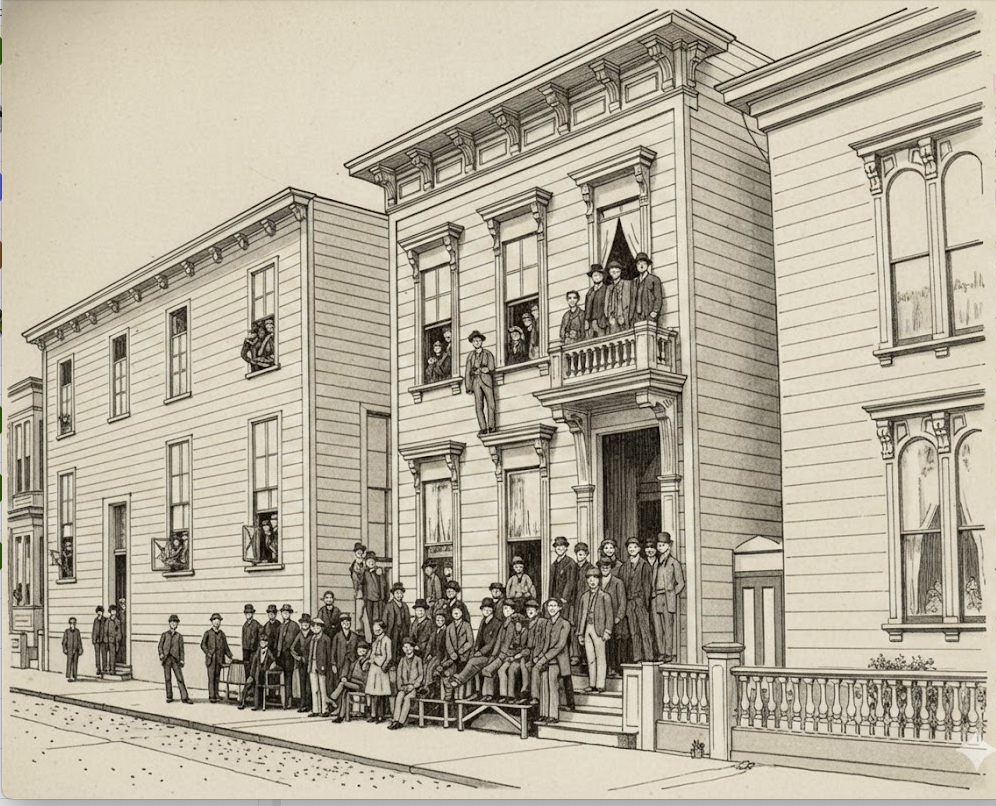
Fukuinkai Members in San Francisco in 1887. Reproduced from 先駆九十年美山貫一と其時代 (Ninety Years of Pioneering: Kan'ichi Miyama and His Era) by 今泉源吉 (Genkichi Imaizumi), 1942. It also shows the sensei's living quarters on the second floor of the central building, the dining room below, and the sensei standing on the middle step of the entrance.
Fukuinkai Members in San Francisco in 1887. Reproduced from 先駆九十年美山貫一と其時代 (Ninety Years of Pioneering: Kan'ichi Miyama and His Era) by 今泉源吉 (Genkichi Imaizumi), 1942. It also shows the sensei's living quarters on the second floor of the central building, the dining room below, and the sensei standing on the middle step of the entrance.
Ryo Yoshida

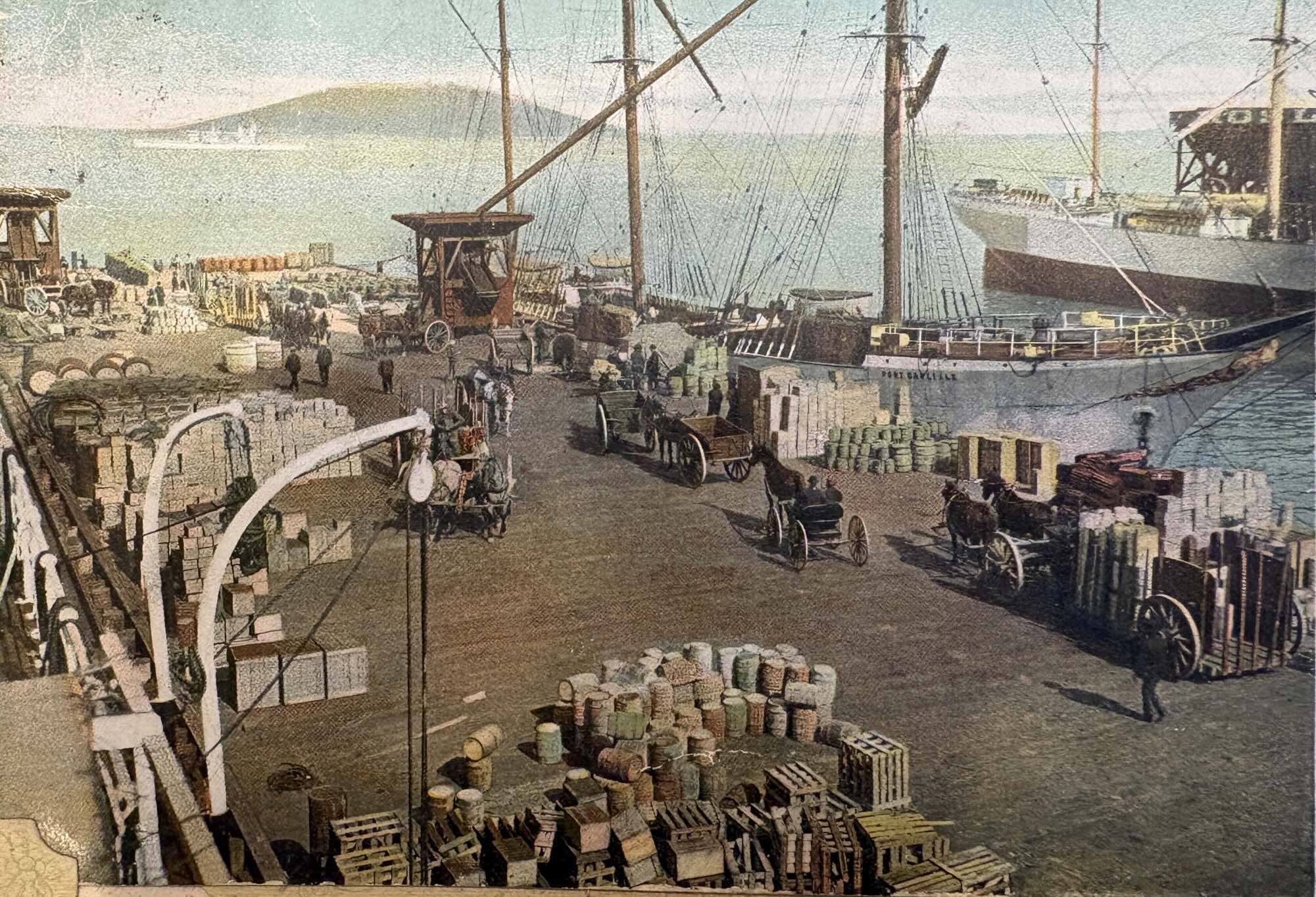
San Francisco Port before the 1906 Earthquake from a postcard. Private Collection. Courtesy of Kanako Nakamura.
San Francisco Port before the 1906 Earthquake from a postcard. Private Collection. Courtesy of Kanako Nakamura.
Introduction: The Early Japanese Immigrant Community in the United States
Japanese immigration to the United States in the late nineteenth century had diverse origins, which included political exiles associated with the Freedom and People’s Rights Movement, individuals engaged in the sex industry, and privately funded working students (dekasegi shosei). According to Kumajirō Ishida’s Come, Japanese (Kitare Nipponjin, 1886), a guidebook for studying in the United States, many of these immigrants were between 15 and 25 years old, came from families with financial means and basic education, and acquired English proficiency and knowledge of Western culture to improve their social standing upon their return to Japan.
In San Francisco, Japanese immigrants congregated and formed various associations to survive and adapt in a foreign land. Particularly significant among these groups were the Gospel Society (Fukuinkai, est. 1877), which provided religious and educational support, and the Patriotic League (Aikoku Dōmeikai, est. 1888), which engaged in political activism. During the formative period of the Japanese immigrant community, the Fukuinkai played a prominent role in supporting student migrants.

Gospel Society Historical Sources (GSHS)
This study used the Fukuinkai Historical Sources (Fukuinkai Enkaku Shiryō, GSHS) as its principal archival material (Table 1). As a supplement, I will also draw upon the Application Register for Military Relief Contributions (Gunshi Juppeikin Mōshikomi-bo, Fukuinkai, 1904), which is archived as separate files in the JAHA collection. GSHS consists of indispensable primary materials for understanding Fukuinkai’s activities and offers a rare and invaluable account of the Japanese immigrant community’s formative years in the United States. Compiled across several developmental phases of the Fukuinkai, these records describe Japanese student migrants’ and labourers’ lived experiences, institutional responses, and evolving aspirations in the late nineteenth century.
Collected around 1935, the GSHS had been largely unknown to Japanese scholars until the mid-1980s, which saw the emergence of academic research based on these sources. Note that the sections titled “Early Section B,” “Second Section A,” and “Second Section B” are included in the JAHA Collection.

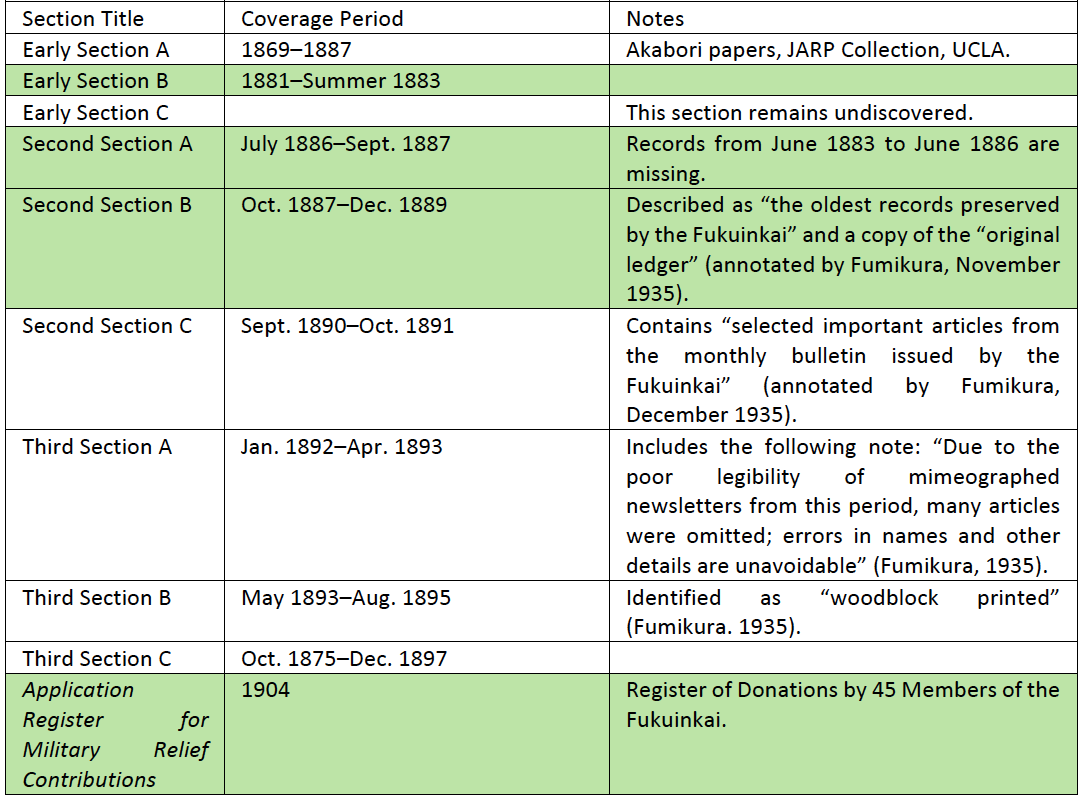
Table 1. Inventory of the Fukuinkai Historical Sources (JAHA Collection highlighted in green)
Table 1. Inventory of the Fukuinkai Historical Sources (JAHA Collection highlighted in green)

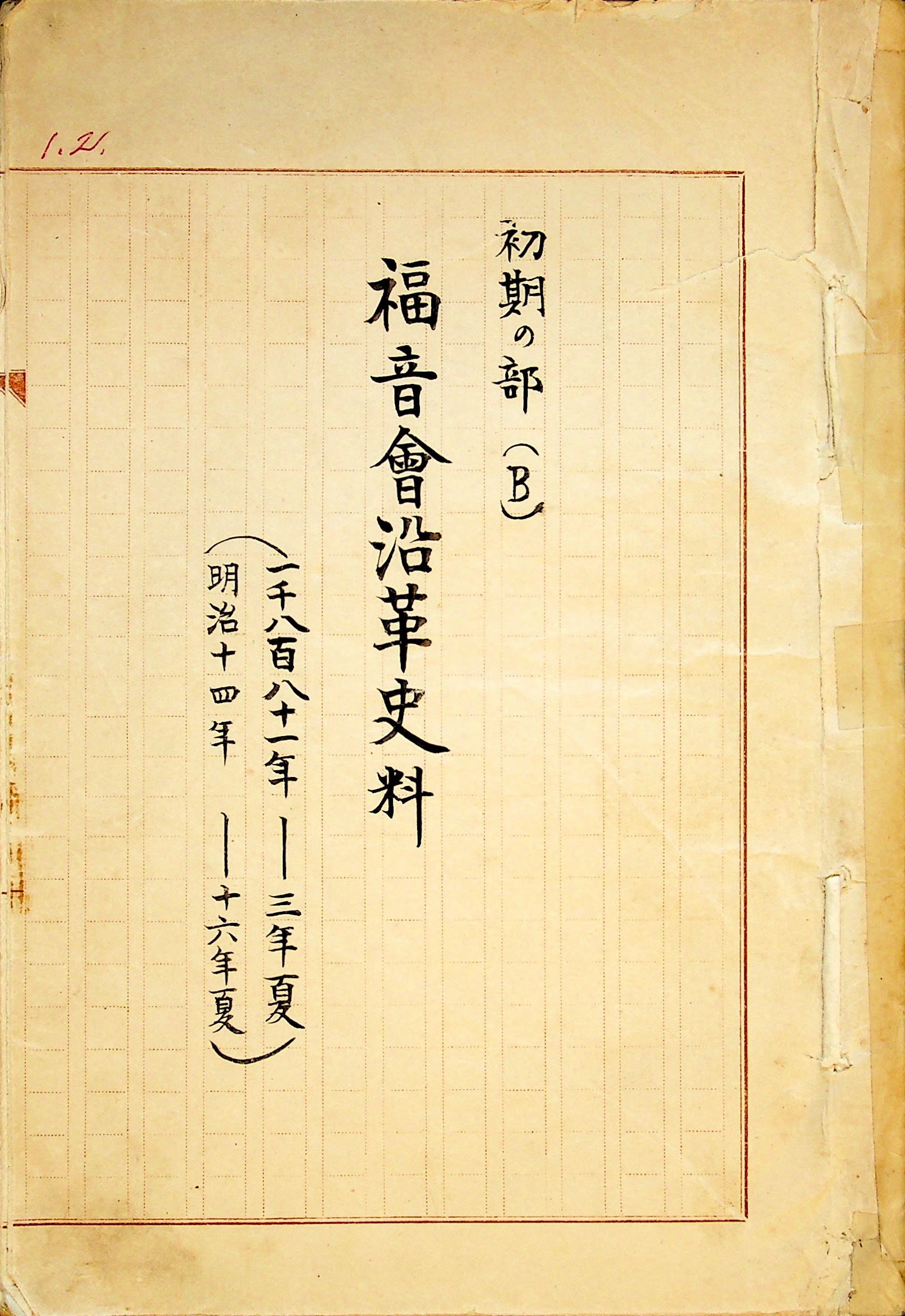
Cover of the Fukuinkai Historical Sources, Early Section B. 1881- Summer, 1883. JAHA Collection, JCCCNC
Cover of the Fukuinkai Historical Sources, Early Section B. 1881- Summer, 1883. JAHA Collection, JCCCNC
If you are interested in learning more about Heisaburō Fumikura, click here.
Problem Statement
Extensive studies on Japanese immigration to the United States have underexplored how non-sectarian religious organizations helped shape immigrant welfare, educational rights, and civic identity. Focusing on denominational churches or ethnic mutual-aid societies, these studies have overlooked volunteer associations such as the Fukuinkai, obscuring how Japanese immigrants negotiated tensions between racial exclusion and civic participation, religious affiliation and non-sectarian solidarity, and cultural preservation and transnational adaptation. This gap must be addressed to understand the broader dynamics of immigrant community formation and the interplay among faith, education, and ethnic identity in early Japanese America.
Story Section Organization

This study examines the activities of the Fukuinkai during the years 1881–1889, as documented in three sections of the GSHS. These years constituted a formative phase in which the Society, originally established to support students studying abroad, prepared to function as an autonomous body capable of confronting the racial discrimination faced by Japanese immigrants in the 1890s. Through negotiations with Protestant denominations in Japan and the United States, as well as with Japanese immigrant organizations, the Fukuinkai addressed pressing social issues and accumulated the practical knowledge necessary to survive as a non‑sectarian ethnic organization. While focusing on this preparatory period, the analysis also incorporates extant GSHS records covering the broader span of activities from 1877 to 1897, thereby reassessing the historical significance of the association’s undertakings during 1881–1889.
1. Organizational Origins and Non-sectarian Ethos
The Context of the Fukuinkai’s Founding
The latter half of the nineteenth century witnessed intensified transnational exchanges of people and culture between Japan and the United States. The Meiji government, as part of its nation-building efforts, actively promoted the adoption of Western knowledge and institutional models, and studying in the United States became a popular means for Japanese youth and intellectuals to directly experience Western civilization.
Some Christian missionaries stationed in Japan encouraged young people to pursue education in America. Upon the arrival of Japanese students in the United States, different Protestant denominations provided them with material and spiritual support. Kan-ichi Miyama, the central figure in the founding of the Fukuinkai, came to the United States through the introduction of a Methodist missionary in Japan and, with the help of a Methodist pastor in San Francisco, became a minister and later contributed to Christian evangelism in Oakland, Hawaii, and Japan.
These trans-Pacific Protestant networks helped increase the connection between Japan and the United States, facilitating Japanese students’ overseas study and laying the groundwork for the establishment of organizations such as the Fukuinkai.
Establishment of the Fukuinkai
On October 6, 1877, a group of Japanese Protestant students in San Francisco founded the Fukuinkai with the aim of studying the Bible and improving their living conditions. The first organization of its kind established by Japanese immigrants in the United States, the Fukuinkai was also called the “Cradle Society for Japanese Students” and became a vital platform for addressing working students’ diverse educational and practical needs.
Grounded in moral education, the Fukuinkai’s activities included weekly meetings, night schools, dormitory accommodations, job placement services, and study-abroad support, which fostered personal development and a growing sense of identity among its members as immigrants. Notably, the Fukuinkai’s advocacy for educational access played a significant role in the formation of the early Japanese immigrant community.
The Fukuinkai was established with the support of various American Protestant denominations, drawing upon the organizational expertise of the Young Men’s Christian Association’s (YMCA) Chinese Mission. Its founding members were Japanese students affiliated with the First Congregational Church and the Methodist Chinese Mission. The basement of the mission hall, provided by mission superintendent Otis Gibson, served as the Fukuinkai’s meeting space, with the women’s auxiliary of the First Congregational Church covering most of the rent.
The Fukuinkai’s bylaws neither specified denominational affiliation nor adhered to a particular doctrine or liturgical practice, operating as a non-sectarian educational club that is open to all and without a clergy. Despite its limited institutional authority, its members formed strong bonds through mutual support and information exchange.

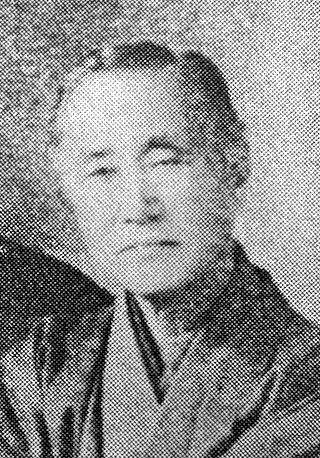
Pastor Kan'ichi Miyama in His Later Years. 銀座教会90年史 (Ninety-Year History of the Ginza Church). Courtesy of Ginza Kyōkai (Ginza Methodist Church)
Pastor Kan'ichi Miyama in His Later Years. 銀座教会90年史 (Ninety-Year History of the Ginza Church). Courtesy of Ginza Kyōkai (Ginza Methodist Church)

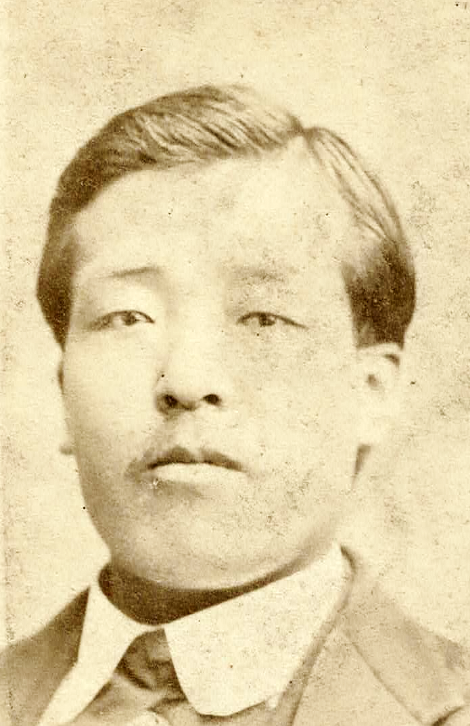
Sakichi Yanagisawa (柳澤佐吉): A Key Initial Member of the Fukuinkai. Sakichi emigrated to the United States in October 1869 as a member of the Wakamatsu Colony, the first organized Japanese agricultural settlement in the country. His wife, Nami (なみ), accompanied him. The colony, however, collapsed by 1871. Private Collection. Courtesy of Kanako Yamaguchi.
Sakichi Yanagisawa (柳澤佐吉): A Key Initial Member of the Fukuinkai. Sakichi emigrated to the United States in October 1869 as a member of the Wakamatsu Colony, the first organized Japanese agricultural settlement in the country. His wife, Nami (なみ), accompanied him. The colony, however, collapsed by 1871. Private Collection. Courtesy of Kanako Yamaguchi.

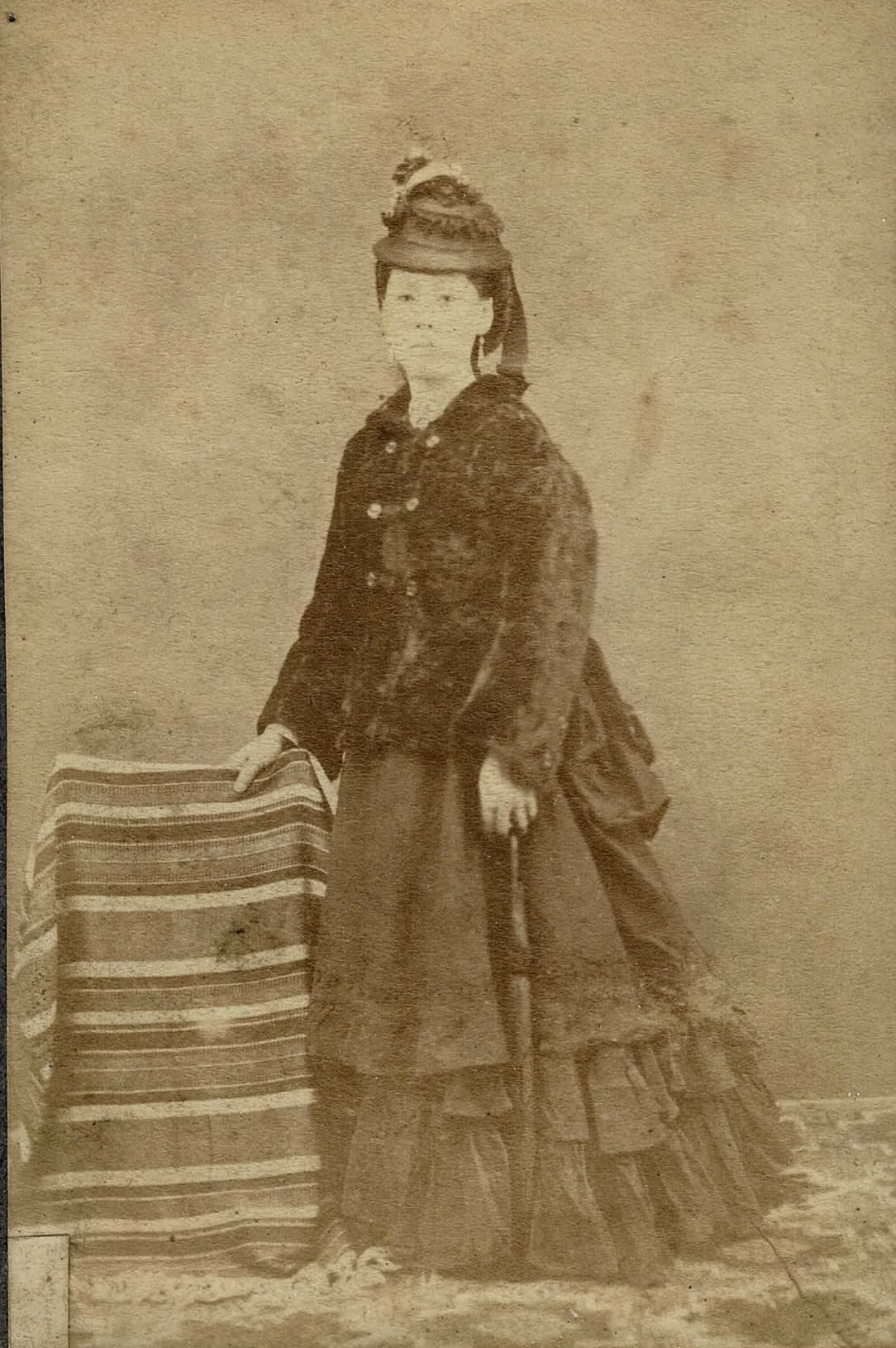
Nami: Sakichi Yanagisawa's Wife and a Member of the Fukuinkai. Private Collection. Courtesy of Kanako Yamaguchi.
Nami: Sakichi Yanagisawa's Wife and a Member of the Fukuinkai. Private Collection. Courtesy of Kanako Yamaguchi.

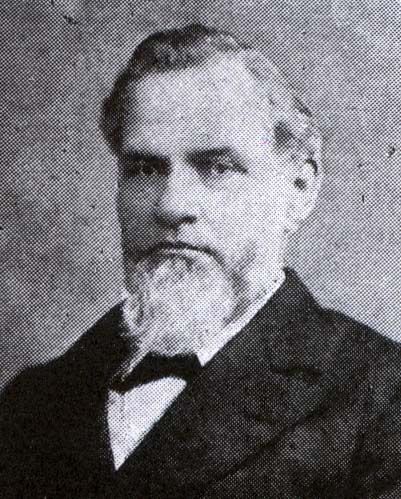
Rev. Otis Gibson. Wikipedia. https://en.wikipedia.org/wiki/Otis_Gibson#/media/File:Otis_Gibson_1.jpg
Rev. Otis Gibson. Wikipedia. https://en.wikipedia.org/wiki/Otis_Gibson#/media/File:Otis_Gibson_1.jpg

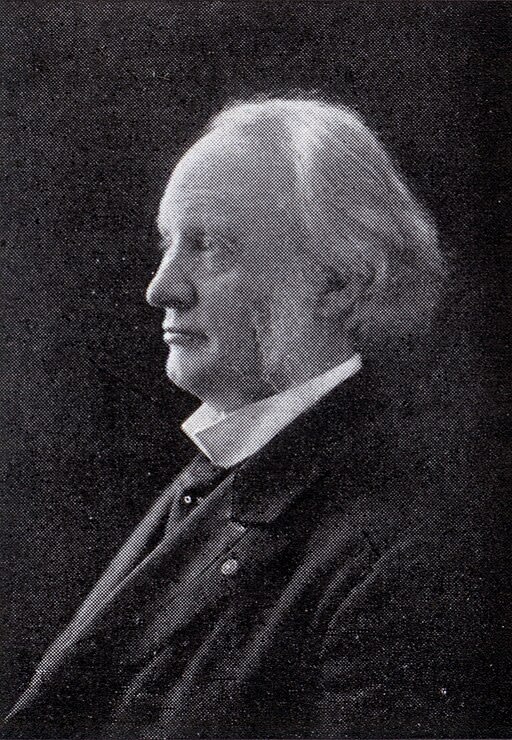
Bishop Merriman Colbert Harris (1846–1921). Seoul Museum of History. Wikipedia.
Bishop Merriman Colbert Harris (1846–1921). Seoul Museum of History. Wikipedia.
Intentions of American Protestant Denominations
American Protestant denominations expressed early interest in Japanese youth who visited the United States for study. However, their support was not limited to Japanese migrants, having already established autonomous mutual-aid organizations—such as the YMCA—for Chinese immigrant missions. Japanese immigrant evangelism initially emerged as an extension of the Methodist outreach to Chinese communities, and the early figures in Japanese ministry had previously served in Chinese missions.
These denominations considered the non-sectarian nature of the Fukuinkai as a pragmatic and provisional means of evangelism before the establishment of formal churches. They sought to introduce Christianity by supporting Japanese immigrants—particularly working students. To do so, they needed to ensure students stayed within the orbit of church influence under strong leadership. Merriman C. Harris, a former Methodist missionary to Japan, became the overseer of the Fukuinkai, succeeding Gibson.
Harris arrived in Japan in 1873 and contributed to evangelism by baptizing Kanzō Uchimura, Inazō Nitobe, and other figures. From 1886 to 1904, he headed Japanese immigrant missions in Hawaii and on the U.S. mainland. Such assertive leadership by a denomination posed a challenge to the Fukuinkai’s non-sectarian principles and ultimately played a role in its internal divisions.
The First Schism
According to Early Section A of the GSHS, denominational tensions between Methodist and Congregationalist factions intensified in 1881 amid growing calls within the Fukuinkai for independence from the protection of the Chinese Methodist Church. In May of that year, under the arbitration of Gibson, the Congregationalist group that advocated independence formally separated and established the Taylor Fukuinkai, which expanded its activities with support from the Howard Presbyterian Church.
Meanwhile, the remaining group under Gibson’s leadership revised the Fukuinkai’s bylaws, appointed Miyama as president, and provided dormitory and meal services. As stated in Early Section A & B, although the Fukuinkai initially espoused a non-sectarian identity, its base of operations within Methodist facilities increasingly subjected it to Gibson’s influence, prompting internal resistance. This resulted in its reorganization as a “branch” of the Methodist Chinese Mission, reinforcing its Methodist character. As a loyal supporter of Gibson, Miyama assumed a leading role in the Fukuinkai’s administration.
Translated from the Early Section B, JAHA Collection shown on the right.
Saturday, December 24 — Clear weather. Attendance: 35 people.
That evening, a Christmas celebration was held. A total of twelve American guests attended, including the pastor Dr. Gibson, as well as one young Chinese girl.
The celebration began with a hymn, followed by prayer by Dr. Gibson, another hymn, and then twelve participants recited several verses from the Bible from memory. Next, the young Chinese girl sang a hymn and gave a charming talk. This was followed by an address by Dr. Gibson and another hymn.
At 9:30 p.m., Christmas gifts were exchanged. After all the American guests had departed, there were additional speeches in Japanese, followed by another exchange of Christmas gifts. The evening concluded with refreshments of tea and sweets, and the meeting ended around midnight.

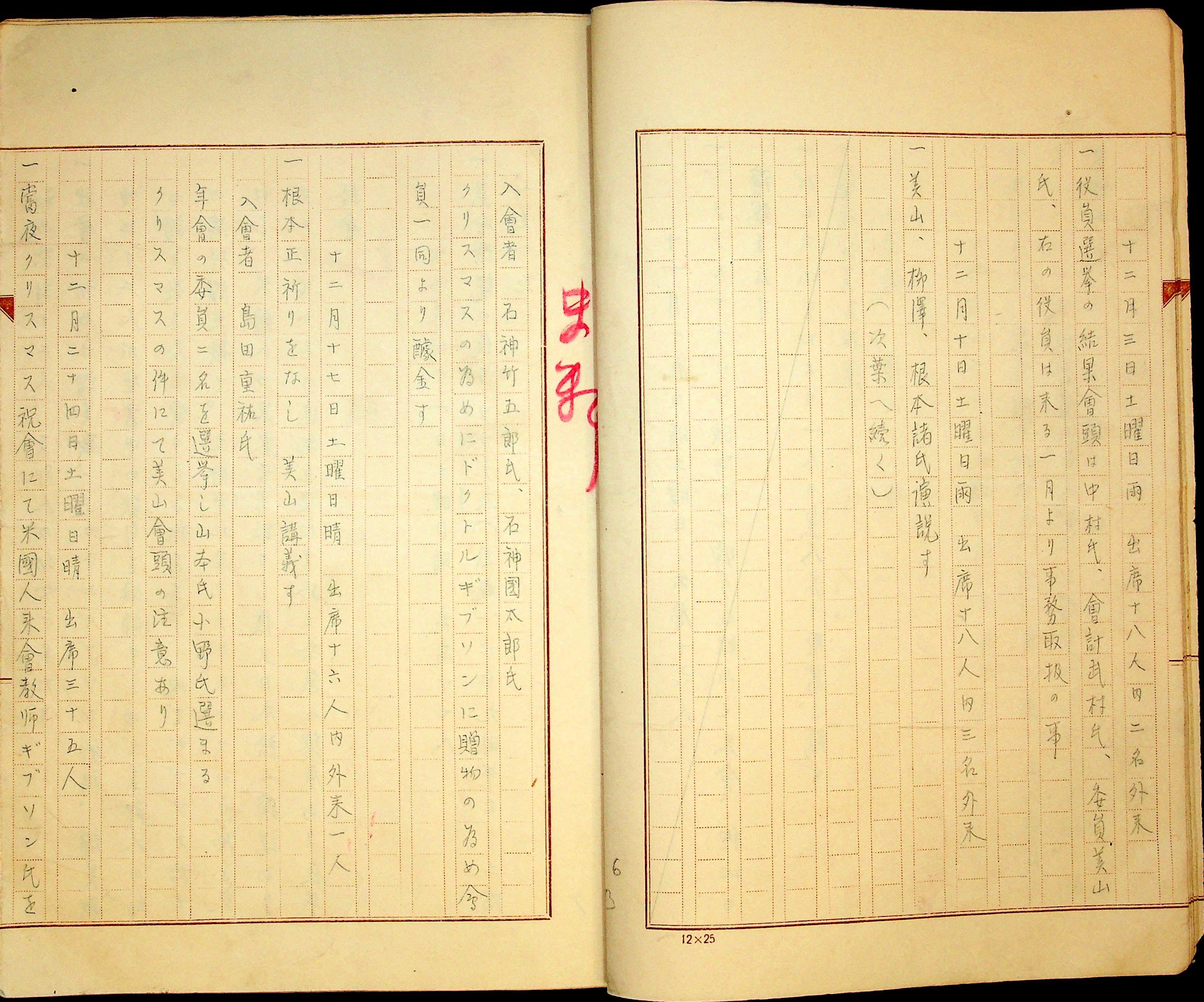
Early Section B, GSHS Records, JAHA Collection, JCCCNC.
Early Section B, GSHS Records, JAHA Collection, JCCCNC.

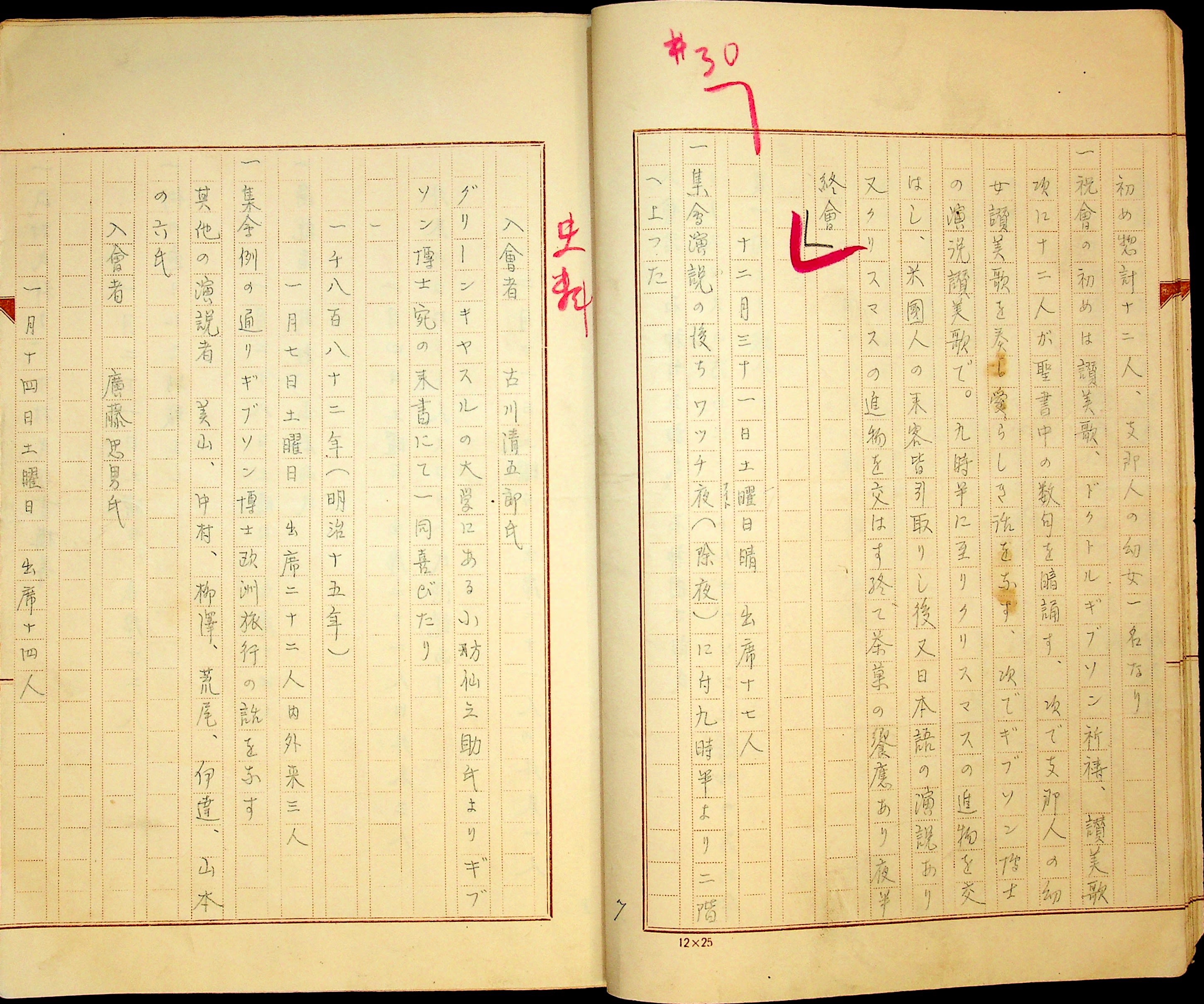
Early Section B, GSHS Records, JAHA Collection, JCCCNC.
Early Section B, GSHS Records, JAHA Collection, JCCCNC.
For the original Japanese transcription about a Christmas eve event on December 24, 1881, click here.
The Second Schism
According to Early Section A, in June 1883, the Fukuinkai faced another internal dissent as Sakichi Yanagisawa, Tanaka Date, and other members opposed the Methodist orientation and advocated for independence. Following Gibson’s arbitration, the independence faction formally withdrew and gained majority support at the general assembly, electing Date as president. Miyama and others appealed to Gibson for a ruling, which ultimately confirmed the separation.
In August, the seceding members established the Stevenson Fukuinkai, which merged with the Taylor Fukuinkai approximately six weeks later. The Taylor Fukuinkai then began to strengthen its ties with the Howard Presbyterian Church, and many of its members became affiliated with that congregation. The year 1885 saw the founding of the First Japanese Presbyterian Church of San Francisco, which conducted educational and evangelistic activities under the leadership of Ernest A. Sturge.
The Taylor Fukuinkai endured, but tensions with the Presbyterian Church surfaced in 1886, leading to another split. Its members relocated to Mission Street and established a YMCA, while the church moved to the same location under Sturge’s guidance. Despite revival efforts, the Taylor Fukuinkai was dissolved in May 1887.
Meanwhile, according to Early Section C, in the spring of 1886, the original Fukuinkai also declared independence from the Chinese Mission and began operating out of a church facility on Jessie Street. It was renamed the Japanese Methodist Fukuinkai and appointed Harris as superintendent of Japanese evangelism. As noted in Second Section A, the Fukuinkai increasingly adopted Methodist characteristics, including the requirement that presidential candidates be church members. Nevertheless, the Fukuinkai maintained its non-sectarian identity albeit in a limited capacity.

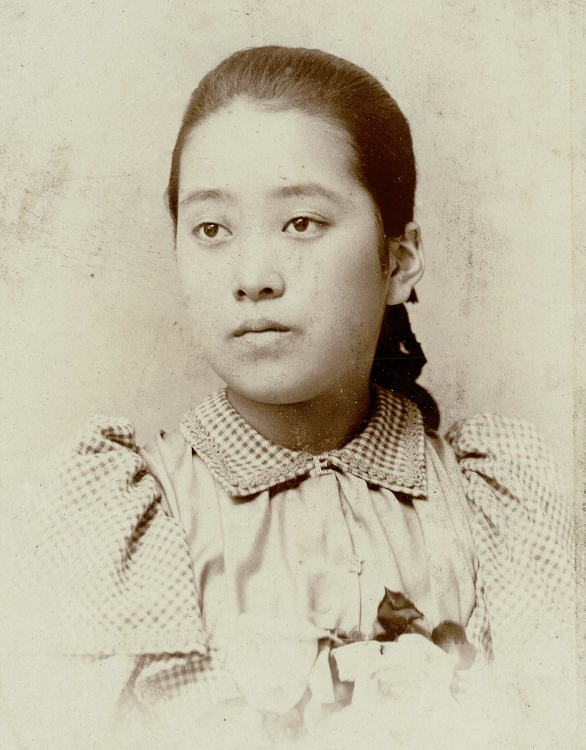
Yoneko Yanagisawa(柳澤米子): Daughter of Sakichi and Nami Yanagisawa. Private Collection. Courtesy of Kanako Yamaguchi. Concerned about the lack of reliable midwives, Nami, while pregnant, returned to Japan in 1873, to give birth. Sakichi also returned to Japan temporarily. Yone was also baptized at the Fukuinkai and sang at the Christmas celebration in 1885.
Yoneko Yanagisawa(柳澤米子): Daughter of Sakichi and Nami Yanagisawa. Private Collection. Courtesy of Kanako Yamaguchi. Concerned about the lack of reliable midwives, Nami, while pregnant, returned to Japan in 1873, to give birth. Sakichi also returned to Japan temporarily. Yone was also baptized at the Fukuinkai and sang at the Christmas celebration in 1885.

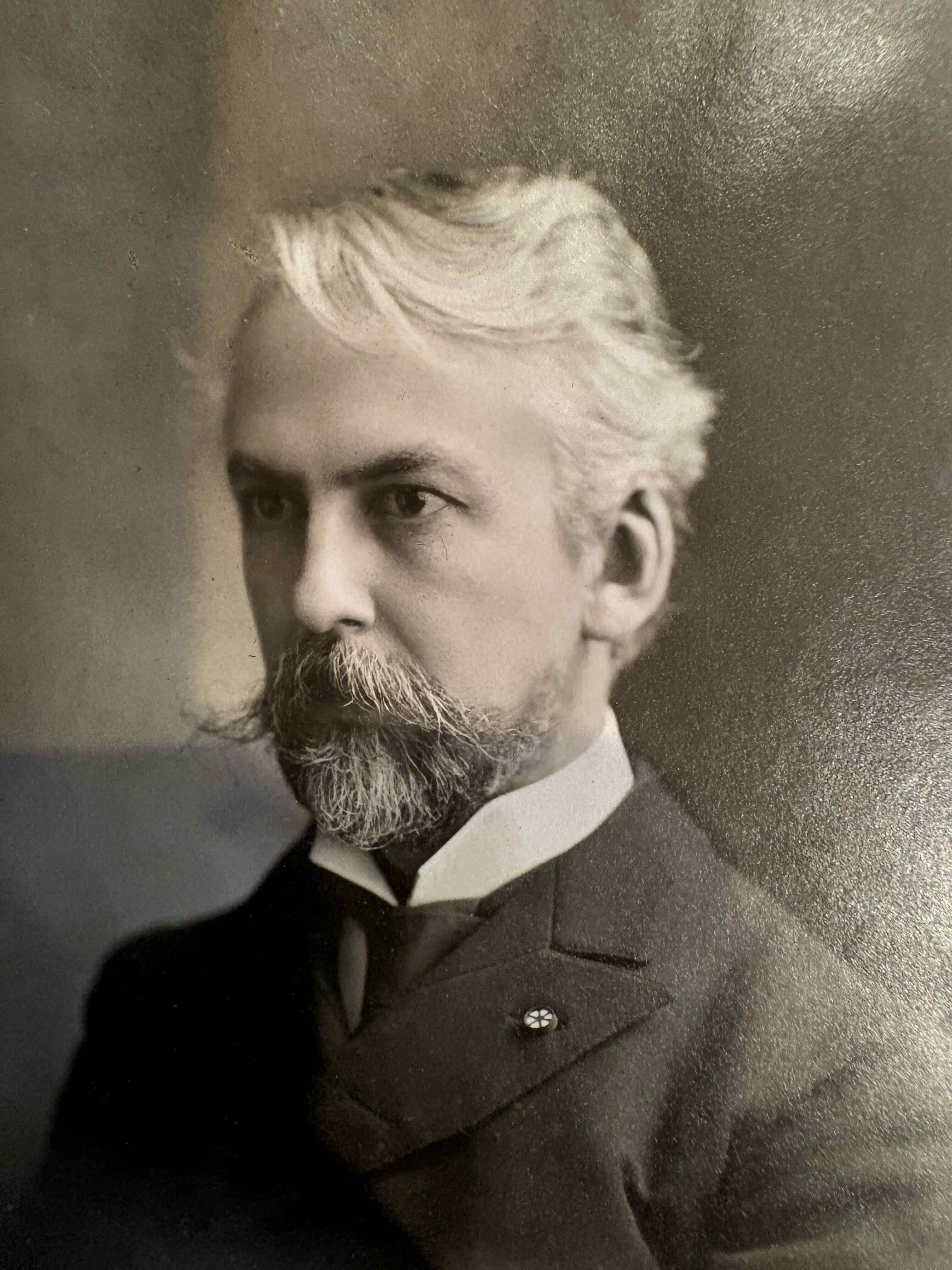
Ernest A. Sturge. Private Collection. Courtesy of Kanako Yamaguchi.
Ernest A. Sturge. Private Collection. Courtesy of Kanako Yamaguchi.
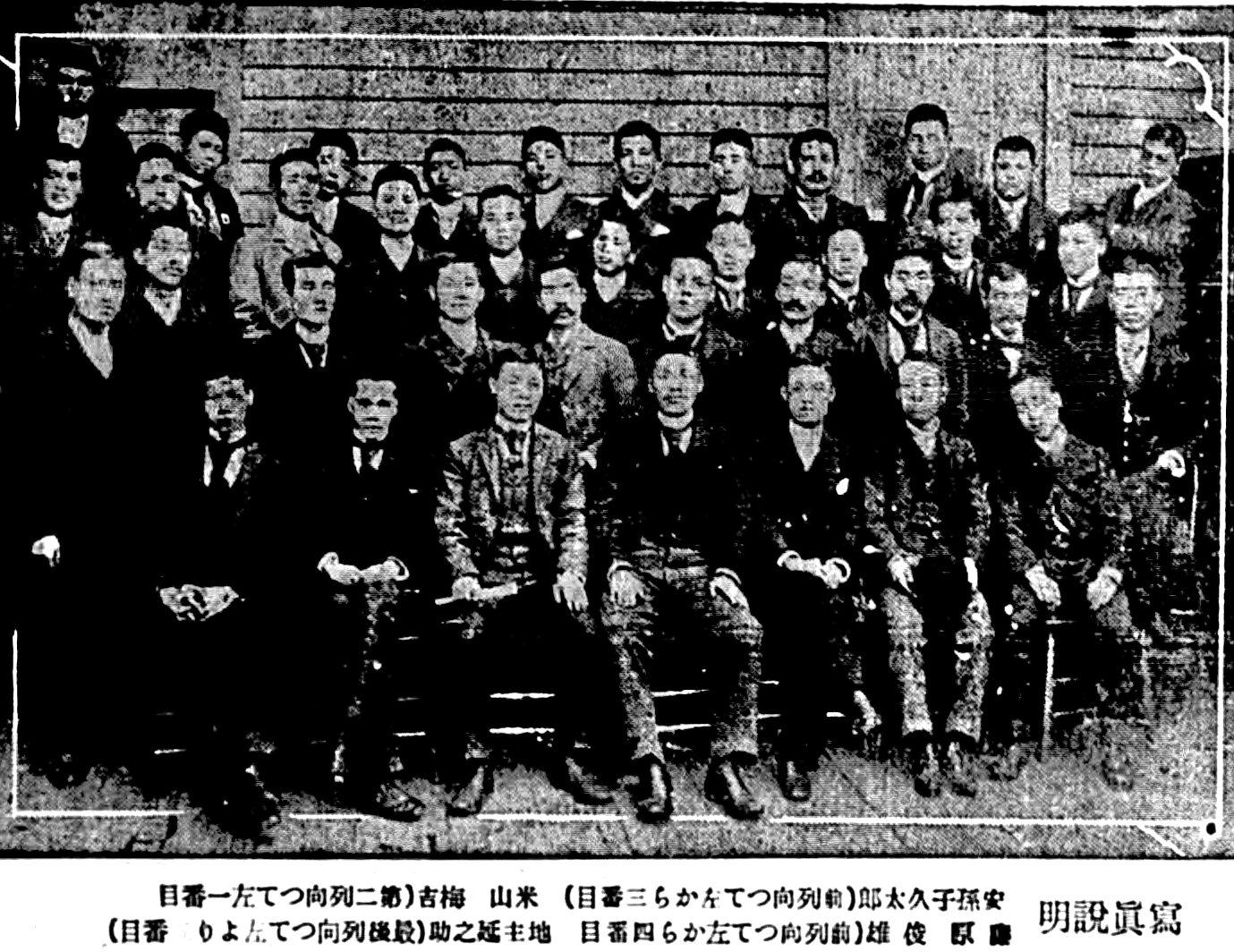
Members of the Fukuinkai. Kyutaro Abiko.

The Schism Between the Fukuinkai and the Methodist Church
According to Second Section B, in 1887, Miyama was appointed pastor of the Methodist-affiliated Fukuinkai. Around September of that year, Hideki Takahashi and more than 10 other members withdrew to establish the Ten-ichi Kai, which intensified the Methodist faction’s denominational character and stimulated discussions on the Fukuinkai’s dissolution. Under Harris’s influence, plans were proposed for the church to absorb the Fukuinkai although these efforts initially failed.
As noted in Second Section C, Harris proposed the construction of a church building and the formal dissolution and merger of the Fukuinkai in December 1890, which was initially rejected. However, a revised version was approved, and the Fukuinkai vowed to remain independent and relocated to 118 Golden Gate Street in January 1891, gradually distancing themselves from the church despite maintaining relations after the move.
Several factors explain Harris’s insistence on constructing a church, including competition with other denominations, the growing population of Japanese immigrants, the increasing number of laborers among members, and their geographic dispersion—necessitating a more organized approach to evangelism. Such momentum was further accelerated by the revival movement of 1889.
In January 1891, the Fukuinkai launched its activities under a new organizational structure, with membership reaching 57 and Kyutaro Abiko (later founder of the Nichibei Shimbun) elected as president. According to Third Sections A and B, the Fukuinkai continued its independent operations from 1892 to 1895, maintaining no formal ties with denominational churches but collaborating with the Methodist Church and the YMCA as needed.

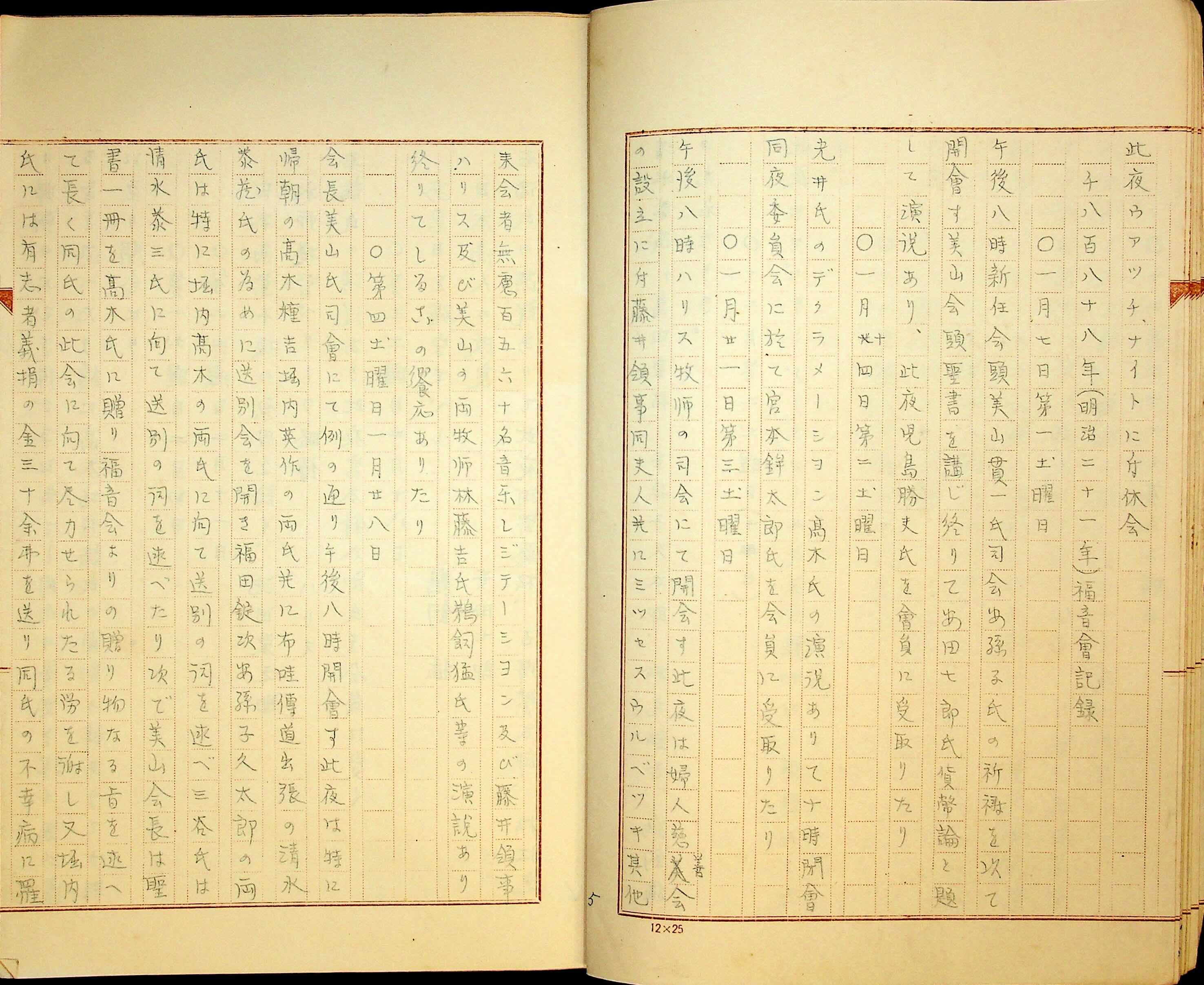
GSHS Records. Second Section B, JAHA Collection, JCCCNC.
GSHS Records. Second Section B, JAHA Collection, JCCCNC.
An Entry about the Women's Benevolent Society, Translated from the Early Section B below, GSHS Records, JAHA Collection
January 21 (Third Saturday)
The meeting opened at 8:00 p.m. under the chairmanship of Pastor Harris. This evening marked the establishment of the Women’s Benevolent Society. In attendance were Consul Fujii and his wife, Mrs. Urbecki, and many other guests, totaling no fewer than 150 to 160 people. The program included musical recitations, as well as speeches by Consul Fujii; Pastors Harris and Miyama; Mr. Tōkichi Hayashi; and Mr. Takeshi Ukai. At the conclusion of the event, shiruko (sweet red-bean soup) was served as refreshments.
See the original Japanese transcription here.
Women and Authority in the Fukuinkai
In 1883, the Fukuinkai established a Women’s Charity Association in response to the growing number of female members and began outreach activities directed toward women outside the organization (Early Section A). Around the same time, proposals emerged within the association to grant women the right to vote in internal elections, and the wife of Sakichi Yanagisawa was appointed as a staff member. This movement culminated in March 1887, when Koto Takasu was elected assistant treasurer―an unprecedented outcome (Second Section A). However, objections were raised by members immediately after the election, prompting renewed debate. When Takasu declined the position on March 12, an extraordinary re‑election was held, resulting in the selection of Ginjiro Shiratori. Consequently, no woman ever served as an officer. This conservative stance toward women within the association was further reflected in subsequent debates. At the August 1890 regular meeting, a discussion on whether women should be permitted to hold political gatherings resulted in a victory for the prohibitionists (Second Section C).

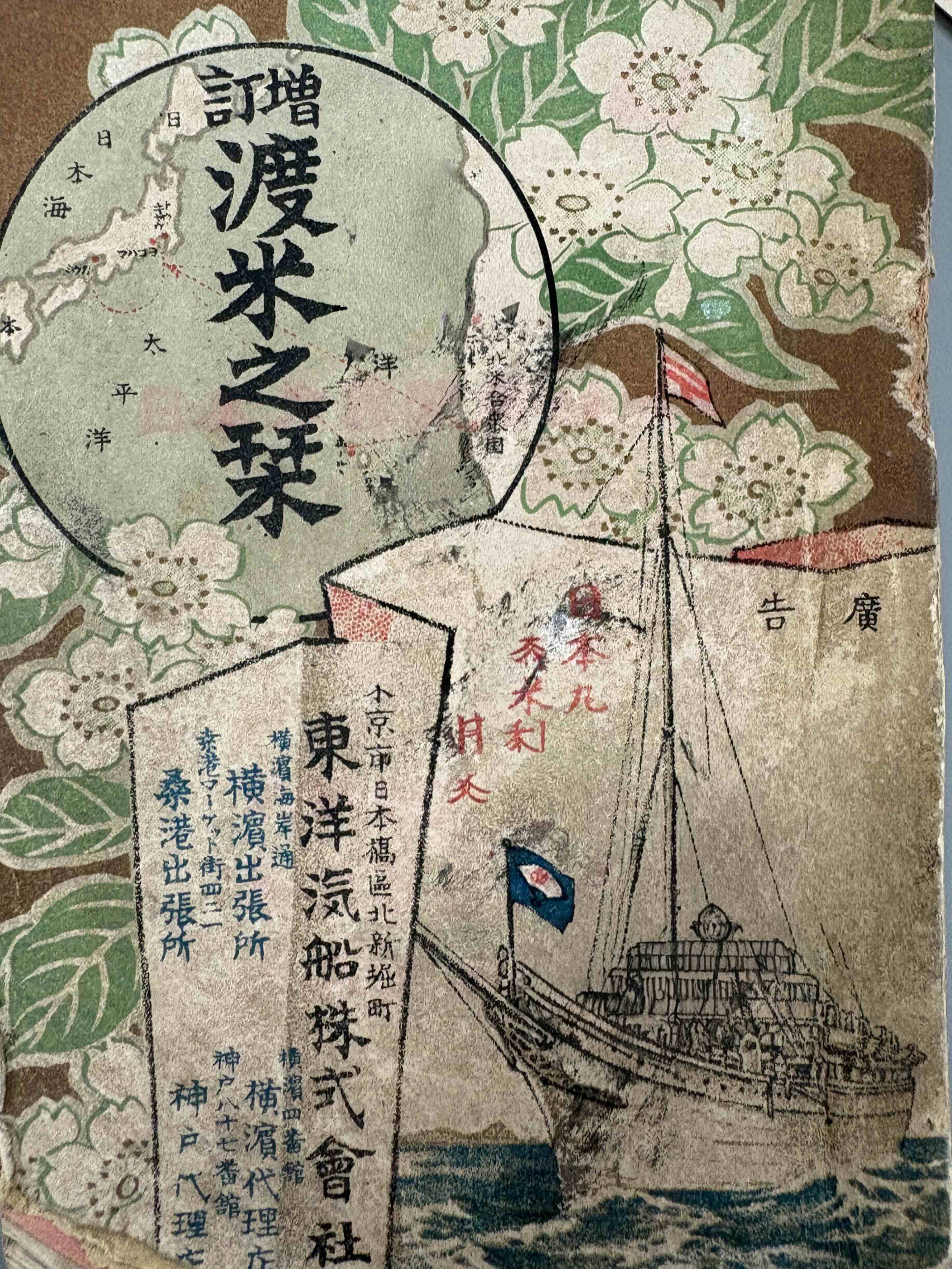
Guide for Going to America (渡米之栞) by Ichiyanagi Shōan (一柳松庵), 1902. Guidebooks such as this were published in Japan to encourage and inform prospective migrants about travel to the United States. Hoover Institution Library & Archives.
Guide for Going to America (渡米之栞) by Ichiyanagi Shōan (一柳松庵), 1902. Guidebooks such as this were published in Japan to encourage and inform prospective migrants about travel to the United States. Hoover Institution Library & Archives.
Merger and Separation Between the Fukuinkai and the Episcopal Church
According to Third Section C, in 1895, the Fukuinkai merged with the Episcopal Church because of the expansion of its social and religious activities and financial considerations, relocating to 709 Geary Street to cohabit with the congregation. At the general assembly the following year, they revised their bylaws to include not only the promotion of intellectual and moral cultivation but also the welfare of fellow Japanese immigrants as well as to relax previous prohibitions on alcohol and tobacco.
Under the agreement’s terms, the Fukuinkai would retain legal ownership of the property and bear the associated expenses, while religious gatherings would be placed under the Episcopal clergy’s jurisdiction. Sunday school and night school programs were jointly administered. In 1897, however, the Fukuinkai voted to separate from the Episcopal Church and relocated. During the cohabitation period, the Fukuinkai maintained its non-sectarian stance and continued collaborative activities with the Methodist Church and the YMCA, which included literary gatherings.
Thus, although some members of the Fukuinkai helped form denominational churches, the organization maintained its identity as an independent, non-sectarian Japanese association and deliberately distanced itself from sectarianism. It went on to serve as an open space that safeguarded its members’ religious diversity. According to “History of Japanese in America” (Zaibei Nihonjin-shi, 1940), the Fukuinkai persisted until the 1906 San Francisco earthquake, but archival evidence confirms its continued existence until at least 1912.

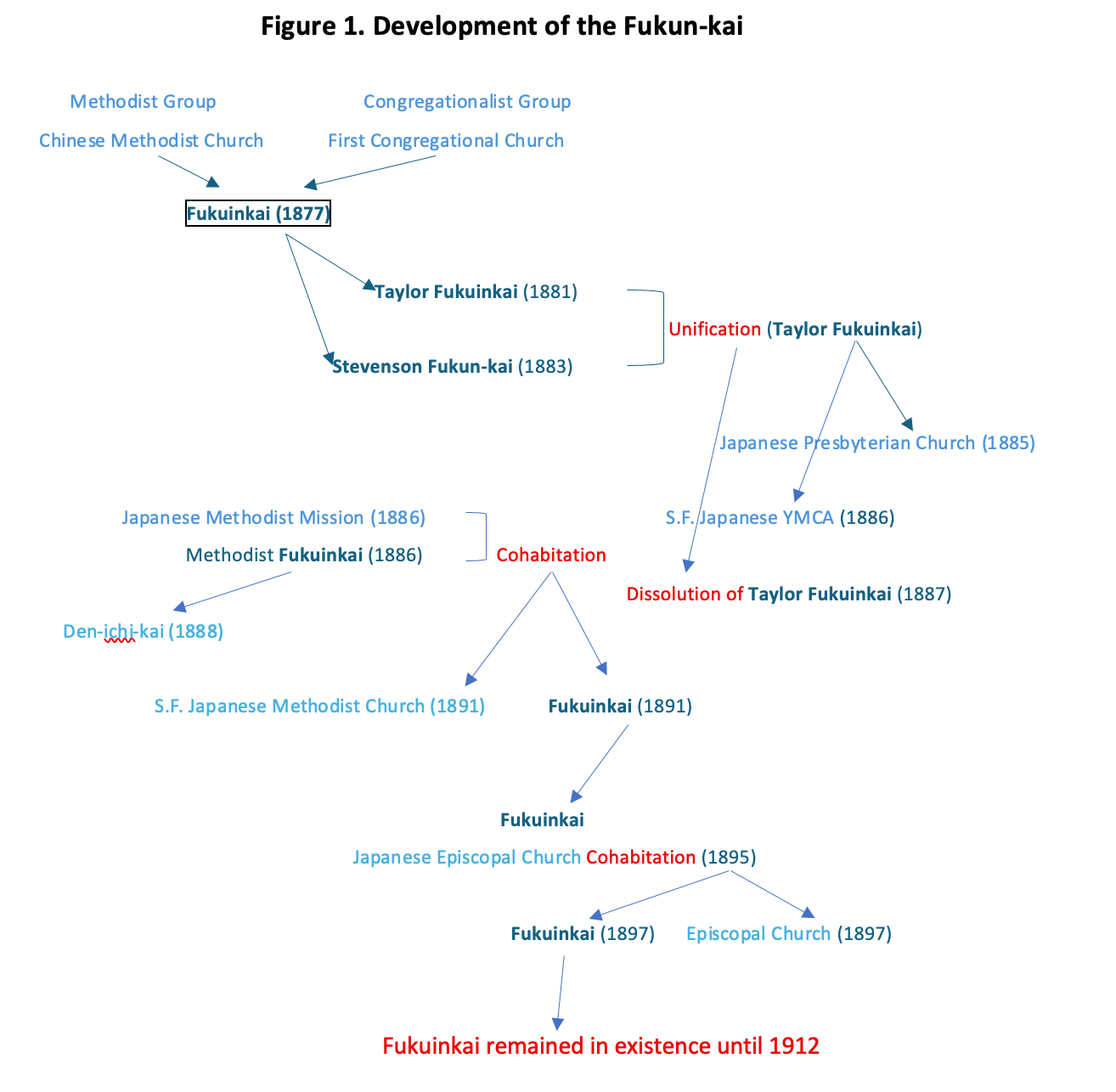
Development of the Fukuinkai
Development of the Fukuinkai
2. Educational Programs
Weekly Meetings
The Fukuinkai’s weekly meetings were the core of its educational initiatives, serving as the foundation for support activities such as night schools, dormitory accommodations, job placement services, and transnational educational networks. Japanese youth living abroad considered these meetings as a vital space for self-expression and information exchange, offering emotional support through interactions in their native language.
Despite being a Christian organization, the Fukuinkai placed greater emphasis on speeches and debates than on Bible lectures and held their meetings on Saturdays to avoid conflict with Sunday worship services, suggesting a distinct role from the church. Table 2 lists the characteristics of these meetings across different periods based on available archival sources.
|
Period |
Characteristics of Weekly Meetings |
Source |
|
1881–1883 |
Meetings were held every Saturday. After a Bible talk, several members took turns giving speeches and engaging in discussions. |
GSHS Early Section B |
|
1886–1887 |
Literary gatherings (reading, declamation, essay) and debate sessions were held as part of the meetings. The term “literary gathering” was a Japanese translation of “Chautauqua,” a Christian educational retreat widely used in American Methodism. |
GSHS Second Section A |
|
1887–1889 |
Bible lectures and prayers were often omitted, with meetings consisting mainly of speeches. Evangelistic mass meetings for nonbelievers and English practice sessions to improve language skills were also held. |
GSHS Second Section B |
|
1890–1891 |
Bible lectures and prayers were reinstated as the opening part of the meetings, followed by speeches and discussions. |
GSHS Second Section C |
|
1892–1893 |
From March 1892, meetings became exclusively speech sessions, while Bible study was moved to Sunday school. The Christian tone of speeches gradually faded. February 1892 saw the introduction of academic lecture meetings in which members with expertise were assigned topics for rotating presentations. Concurrently, an English study group led by American Hackett was held every Friday at 8:00 p.m. |
GSHS Third Section A |
|
1893–1895 |
From April 1893, meetings involved only speeches, and attendance declined when other entertaining events were available. Various programs were introduced to revitalize the group, including business meetings, Sunday school, and joint debates and literary gatherings with other organizations. |
GAHS Third Section B |
|
1895–1897 |
Twice-monthly study sessions were held. From February 1895, the Greater Japan Literary Society joined, and around April, elocution sessions by volunteers replaced speech meetings. The Literary Society had been approved at an extraordinary meeting on September 18 of the previous year. Despite these innovations, the format reverted to speech-only meetings by 1896. Although the name “Fukuinkai” remained, the program’s Christian tone faded, and the group became more of a social organization. |
GSHS Third Section C |
The Fukuinkai’s weekly meetings served as the central platform for its educational and intellectual activities as it functioned as a moral anchor and a space for learning and exchange among Japanese student migrants. The program typically included Bible lectures, which discussed foundational Christian doctrines and practical ethics, covering themes such as regeneration, atonement, the cross, the Trinity, divine grace, and love of neighbour, but placed particular emphasis on public speeches.
Each meeting featured speeches by at least three participants focusing on a wide range of topics but primarily Japan (Waga Kuni, Honpō) and the Japanese immigrant community in the United States. They rarely discussed Western societies and instead spoke about key concerns such as Japan’s modernization, Japanese immigrants’ moral and social improvement, and exclusion and racial discrimination including the Mongolian incident, which took place on August 24 and September 7, 1889. These topics were actively debated but did not necessarily lead to concrete political mobilization.
The Fukuinkai also responded promptly to the community’s immediate needs, such as fundraising for smallpox victims on May 28, 1887. The theme of speeches was typically oriented toward the acceptance of Christian faith and Western culture, the civilizing mission, reforms in the Japanese community, and immigrants’ moral enrichment. In addition, the organization did not operate with fixed political or religious objectives, rather functioning as a non-sectarian forum for personal cultivation, where members freely exchanged ideas and engaged in mutual learning.

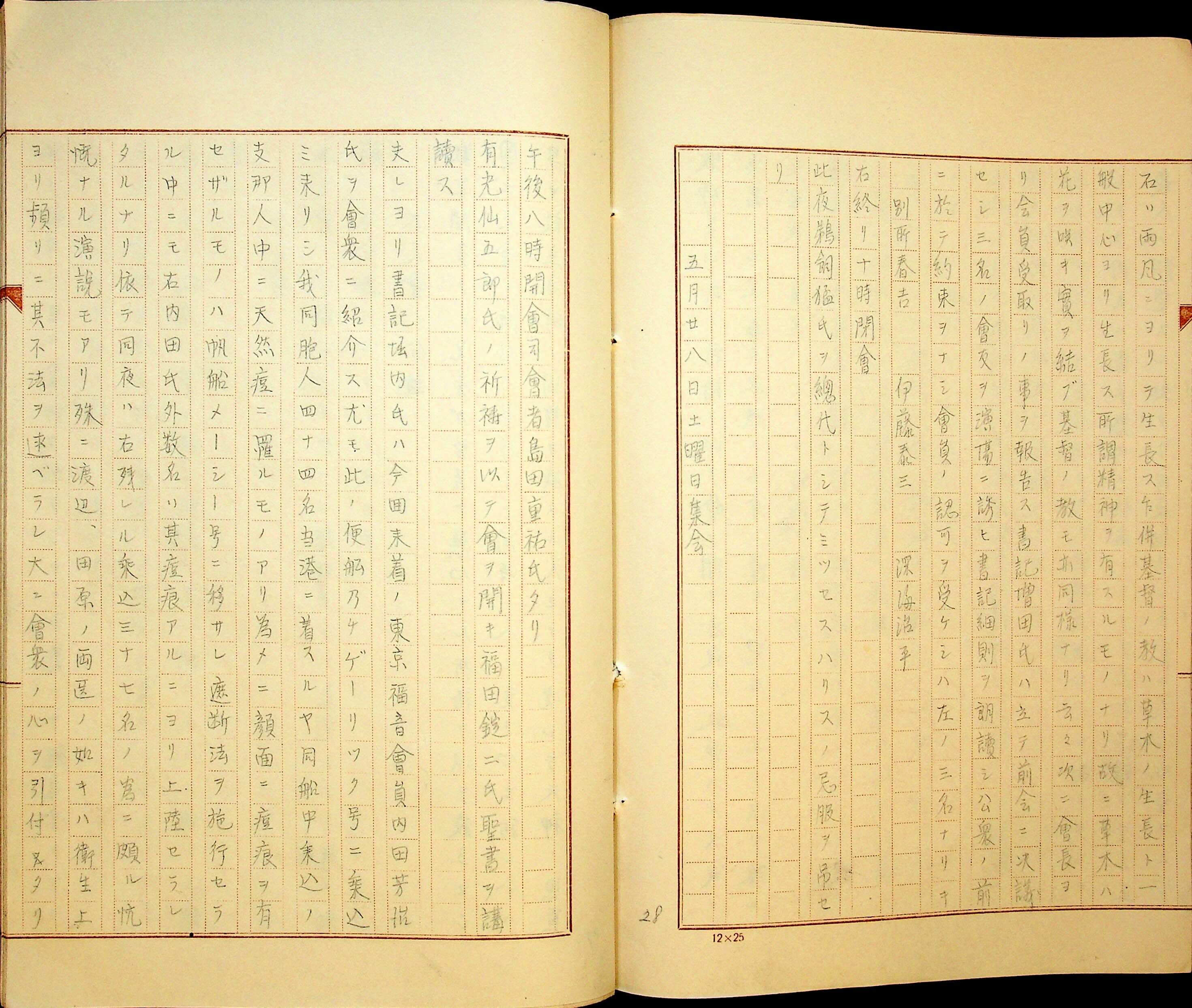
GSHS Records. JAHA Collection. JCCCNC.
GSHS Records. JAHA Collection. JCCCNC.

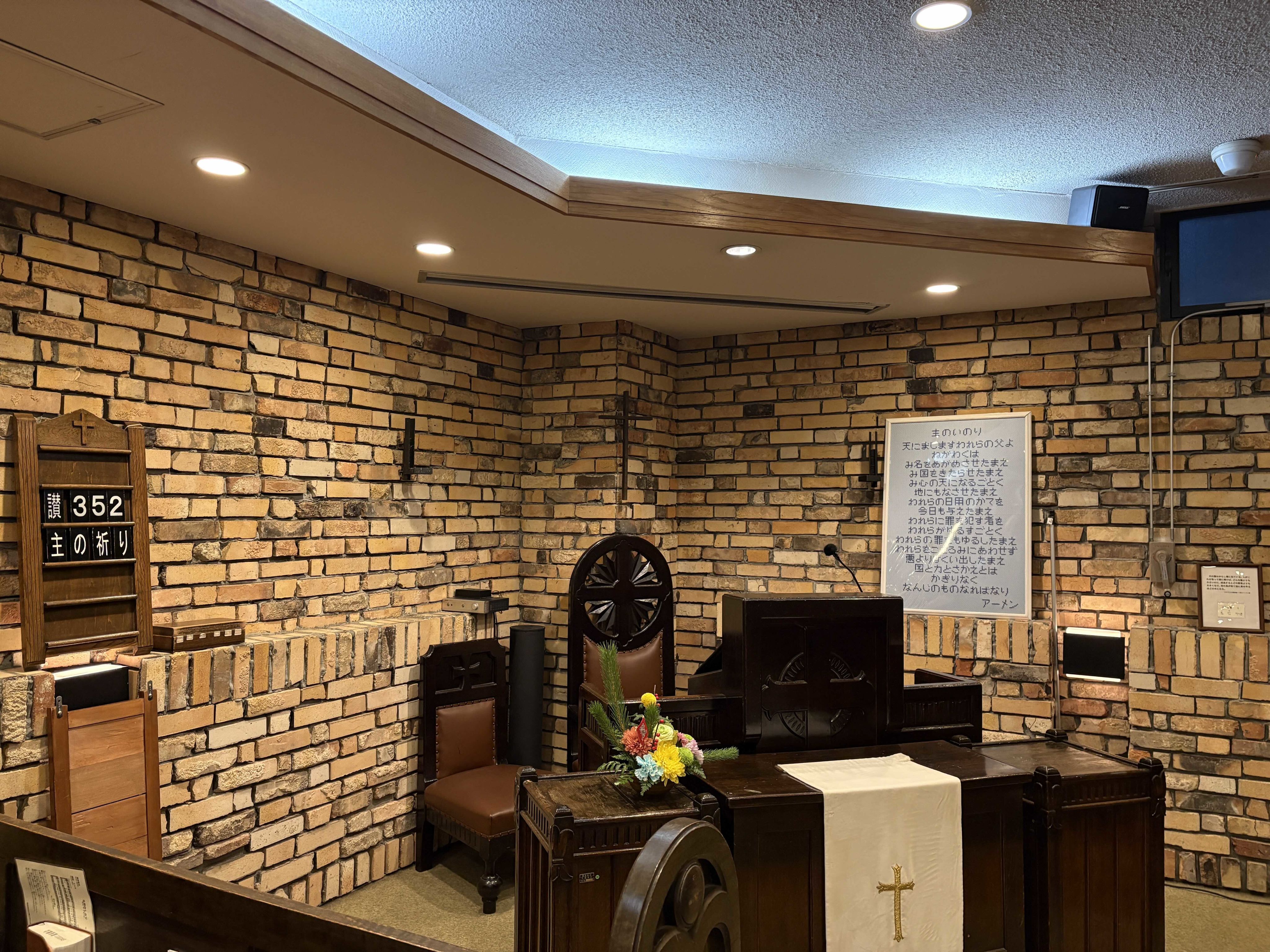
A Reconstructed Fukuinkai Chapel at Ginza Methodist Church, Tokyo, where Kan'ichi Miyama Served as the Second Pastor. Courtesy of the Ginza Kyōkai (Ginza Methodist Church). Photography by Kay Ueda.
A Reconstructed Fukuinkai Chapel at Ginza Methodist Church, Tokyo, where Kan'ichi Miyama Served as the Second Pastor. Courtesy of the Ginza Kyōkai (Ginza Methodist Church). Photography by Kay Ueda.
An entry on the the smallpox incident and donations from the Fukuinkai, translated from the GSHS Records, JAHA Collection
Saturday, May 28, [1887] — Meeting
The meeting opened at 8:00 p.m., with Mr. Shigesuke Shimada serving as chair. Mr. Sengorō Arimitsu opened the meeting with a prayer, after which Mr. Jōji Fukudaread and expounded on the Scriptures.
Thereafter, the secretary, Mr. Horiuchi, introduced to the congregation Mr. Yoshiharu Uchida , a member of the Tokyo Gospel Society who had recently arrived. Notably, forty-four of our compatriots who had boarded the same vessel—the Gaelic—arrived at this port. However, because some of the Chinese passengers aboard the ship were afflicted with smallpox, quarantine regulations were enforced, and those who bore no pockmarks on their faces were transferred to the sailing ship Macy. Amid these circumstances, Mr. Uchida and several others, having pockmarks, were permitted to disembark.
Accordingly, that evening there were also deeply impassioned speeches delivered on behalf of the remaining thirty-seven passengers still confined aboard the ship. In particular, the two physicians, Drs. Watanabe and Tahara, repeatedly spoke out against this impropriety from the standpoint of public health, strongly capturing the sentiments of the audience. As a result, a proposal was made to send food to those still aboard the ship, and a collection was taken, quickly yielding a sum of a little over ten dollars.
After this, Treasurer Mr. Abiko collected the members’ monthly dues. It was then decided that the matter of providing relief to the passengers would be taken up after the association meeting to be held the following day, whereupon the meeting was adjourned.
Night School
To help fulfill Japanese student migrants’ aspirations for directly acquiring Western “civilizational power,” the Fukuinkai established a night school. Upon arriving in San Francisco, these students pursued their education at night schools, public schools, universities, and seminaries with support from the Fukuinkai and other Japanese organizations.
In 1882, under Gibson’s leadership, an exclusive night school for Japanese students was inaugurated (Early Sections A and B). After the establishment of the Japanese Methodist Mission in 1886, the school was reorganized as the Japanese Church Night School (Second Section A), and in 1894, it was renamed the “Japanese S.F. Methodist Church School,” marking its institutional development.
After gaining independence from the Methodist Church in 1891, the Fukuinkai reestablished its night school in 1892 (Second Section C), opening a campus on Turk Street that enrolled more than 50 students (Third Section A). In 1894, the Fukuinkai further institutionalized its educational mission by amending its bylaws to include provisions for night and Sunday schools (Third Section B).
In 1896, the night school merged with that of the Episcopal Church, and they operated jointly under the name “San Francisco Anglo-Japanese School.” However, this merger was dissolved the same year (Third Section B) partly because of the Fukuinkai’s declining appeal.
According to GSHS records, many graduates of the night school advanced to higher-education institutions in San Francisco, including high schools, universities, and seminaries. Notable destinations included the University of California at Berkeley (6 students), Stanford University (5 students), other universities (25 students), and theological seminaries (9 students), highlighting the night school’s significant role as an educational gateway.

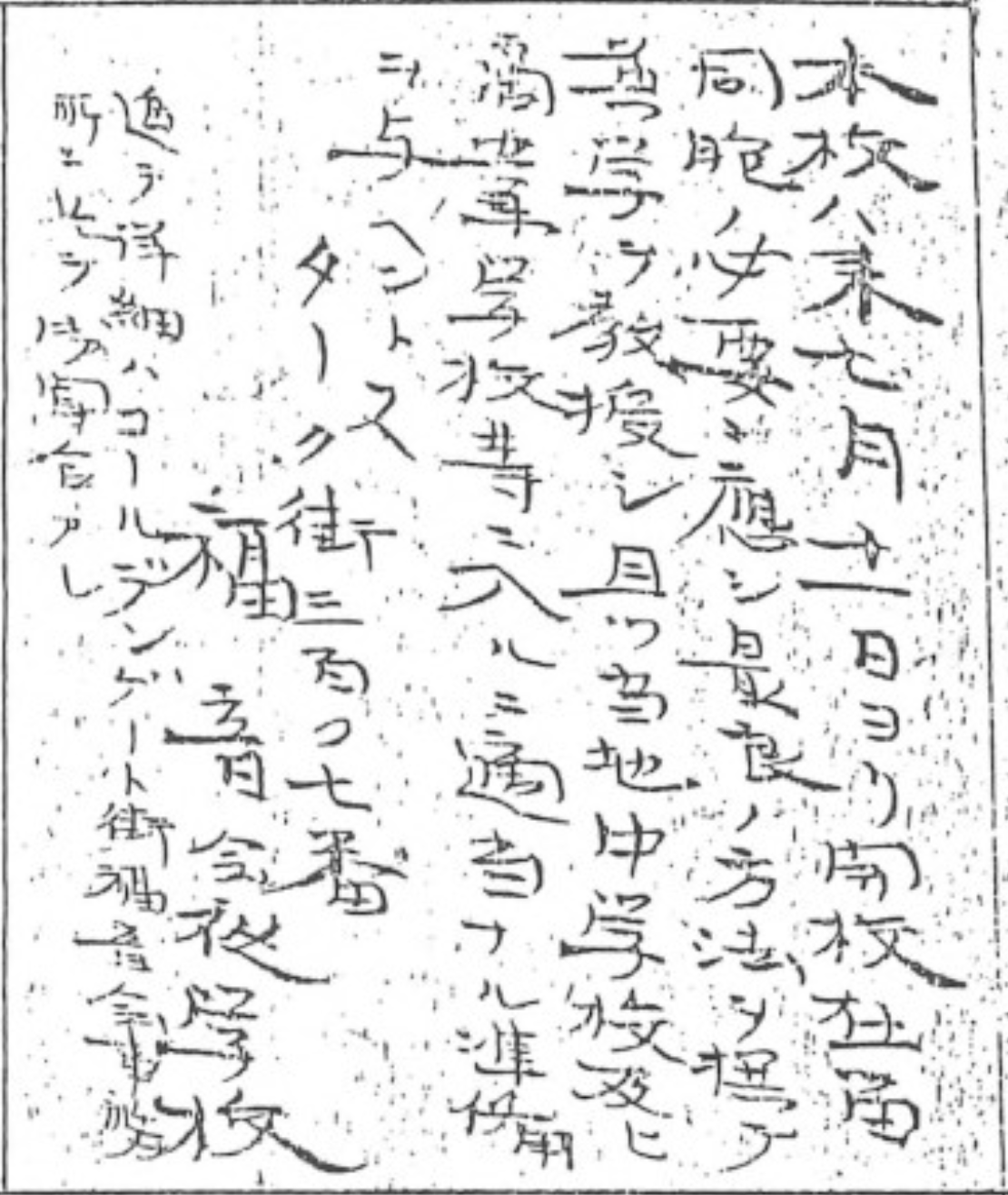
Advertisement of Fukuinkai Night School in Aikoku, July 1, 1892. Hoji Shinbun Digital Collection. Hoover Institution Library & Archives
Advertisement of Fukuinkai Night School in Aikoku, July 1, 1892. Hoji Shinbun Digital Collection. Hoover Institution Library & Archives
The advertisement reads: This school will open on July 11. In response to the needs of our compatriots residing here, we will employ the best possible methods to teach English studies, and at the same time provide appropriate preparation for admission to local middle schools and commercial schools. 307 Turk Street, Gospel Mission Night School
See the original Japanese transcription here.
Dormitory
Alongside its night school, the Fukuinkai operated a dormitory, a common dual arrangement among Japanese Protestant immigrant organizations of the time. Although the facility’s actual date of establishment and scale remain unclear, the 1891 general assembly standardized the monthly boarding fee at $2.
Between fiscal years 1891 and 1895, the dormitory housed an average of 28 residents, with numbers ranging from a minimum of 20 to a maximum of 35. The dormitory also played a significant role in sustaining the Fukuinkai’s finances, with boarding fees accounting for an average of 55% of the total revenue, peaking at 64% in some years during this period (Second Section C to Third Section C).
Employment Placement
Many Japanese student migrants financially struggled as they pursued their studies while working, and securing employment upon arrival in the United States was essential for their subsistence. According to “Come, Japanese” (1887, p. 84), the Fukuinkai facilitated job placement for these students by introducing them to domestic labour positions commonly referred to as “schoolboys,” which involved working in the American households where they resided, earning wages to cover living expenses and tuition while continuing their education.
Membership in the Fukuinkai and residence in its dormitory further allowed for mutual assistance among members, who helped one another search for employment.
3. Legal and Diplomatic Responses to Exclusion
Ethnic Consciousness and the Fukuinkai’s Independence
Japanese student migrants who settled in the American West experienced racial discrimination, which then heightened their sense of dignity, deepened their attachment to the homeland, and strengthened their aspirations for social advancement. As a result, the founding of the Fukuinkai was deeply imbued with sentiments of ethnic solidarity and patriotic devotion.
Amid intensified anti-Chinese exclusion movements, Japanese immigrants increasingly embraced a “leaving Asia, entering the West” ideology (Datsu-A Nyū-Ōh), asserting their identity as members of the civilized Western world and demanding treatment that is commensurate with that status. The Fukuinkai separated from the Chinese Mission because of its dissatisfaction with Gibson’s paternalistic attitude toward Japanese students and discomfort with being placed under the Chinese church’s protective framework—tensions that culminated in schisms in 1881 and 1883.
These developments reflected Japanese immigrants’ growing self-respect and desire to distinguish themselves from Chinese migrants in the public sphere. Hence, the Fukuinkai’s independence became a symbolic expression of this evolving ethnic consciousness and pursuit of autonomous representation.
Criticism of Overseas Migrants and the Fukuinkai’s Rebuttal
The late 1880s saw an increased criticism of overseas Japanese migrants by public discourse in Japan, which portrayed impoverished students and idle labourers as indistinguishable from Chinese immigrants and as a detriment to Japan’s international reputation. In response, the Fukuinkai hosted an 1887 lecture by agriculture and commerce minister Kanji Tani, who warned that “the misconduct of a single individual affects the dignity of all Japanese” (Second Section A).
In 1888, after his visit to San Francisco, Tokyo governor Yukio Ozaki published a critique in the Choya Newspaper (Chōya Shimbun, April 14, 1888, p.1), arguing that resident Japanese students’ declining moral standards exposed them to the same exclusionary treatment experienced by Chinese immigrants. In response, the Methodist Fukuinkai held an emergency meeting and commissioned Japanese Christian politician and journalist Saburō Shimada to report on local conditions. They further resolved to issue a public rebuttal via newspaper advertisement, affirming their institution’s commitment to sound education and moral guidance (Second Section B).



The Fukuinkai’s Response to Immigration Policy
Around 1890, as concerns grew over the denial of entry to Japanese immigrant labourers, the Fukuinkai articulated a clear stance on immigration issues. San Francisco consul Sutemi Chinda warned that these refusals were a threat to Japan’s international reputation and expressed worry that exclusionary sentiments directed at Chinese immigrants might also extend to the Japanese.

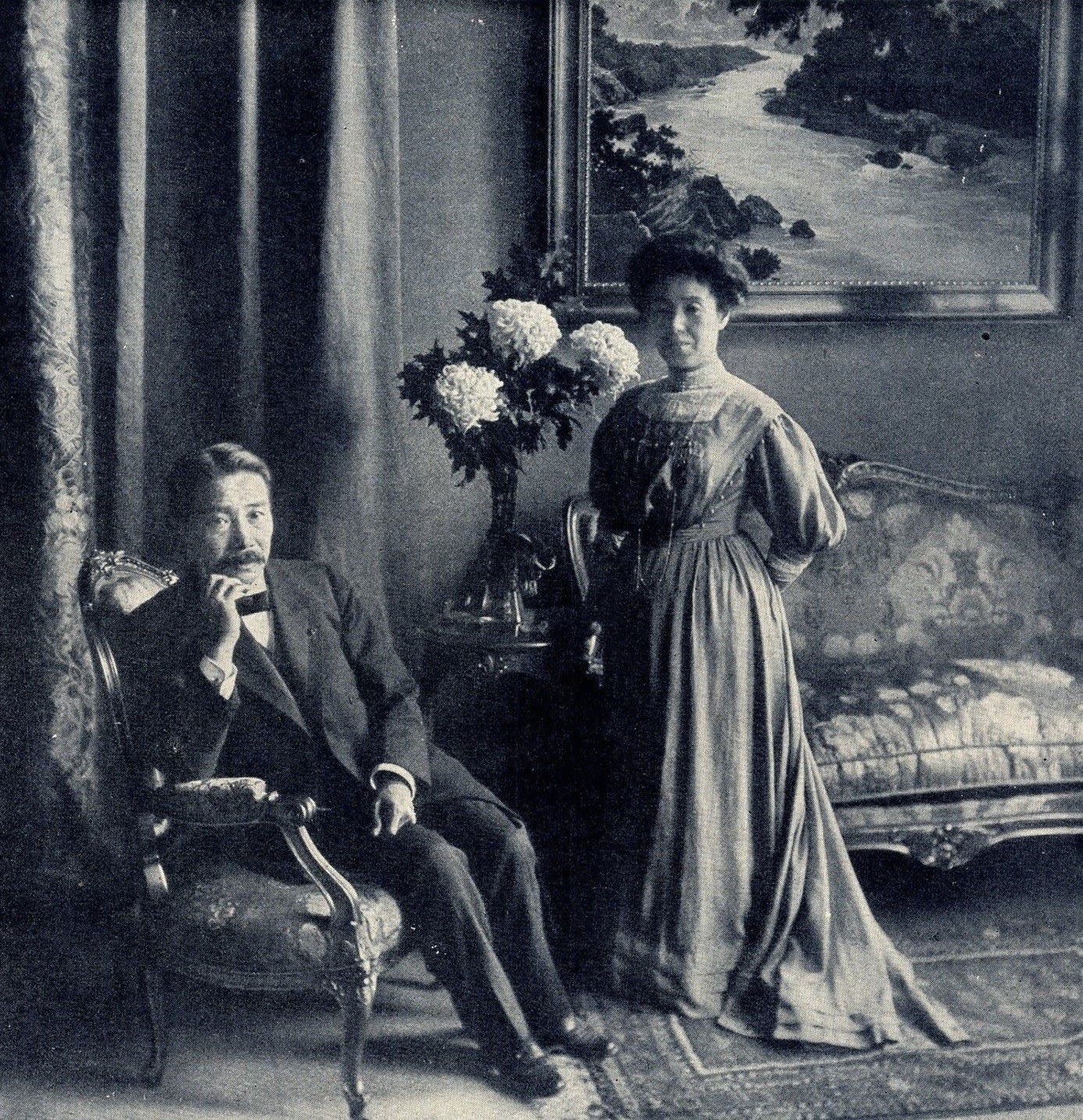
Chinda Sutemi and His Wife during His Ambassadorship in Germany. Chinda Sutemi and his wife during his ambassadorship in Germany. Der neue japanische Botschafter in Berlin Baron Chinda und Gemahlin, special photograph for Die Woche, 1908. wikipedia.
Chinda Sutemi and His Wife during His Ambassadorship in Germany. Chinda Sutemi and his wife during his ambassadorship in Germany. Der neue japanische Botschafter in Berlin Baron Chinda und Gemahlin, special photograph for Die Woche, 1908. wikipedia.
Responding to an inquiry from the Nineteenth-Century Newspaper Company (Jūkyūseiki-sha), the Fukuinkai issued the following statements:
1. On the admissibility of immigrants and numerical restrictions: The Fukuinkai affirmed its commitment to comply with immigration laws and advocated for the admission of entrepreneurs over labour migrants.
2. On occupational selection: The Fukuinkai emphasized the importance of a stable economic foundation that is conducive to permanent settlement, favouring agriculture and industry over domestic labour.
3. On prostitution: The Fukuinkai called for restrictions on the immigration of women, citing concerns over national dignity, and explicitly opposed the activities of prostitutes (Second Section C).
This position reflected a strategic effort to avoid being conflated with Chinese immigrants and pre-emptively exclude “undesirable” migrants. By advancing the admission of select individuals—such as Fukuinkai members—the organization sought to cultivate a respectable and morally upright Japanese immigrant community.
The Mongolian Incident and the Fukuinkai’s Response
In 1889, Fukuinkai members Iwao Yoshikawa, Eizō Ōsawa, and Tetsuji Hayakawa were denied admission to Hastings College of the Law in San Francisco because they were classified as “Mongolians” (i.e., members of the Mongoloid race). In response, the Fukuinkai convened a debate during its weekly meeting to discuss whether Japanese nationals were subject to the same sanctions that California state law imposed on Chinese immigrants. The prevailing view was of cautious pessimism (Second Section B).
The Fukuinkai invited Yoshikawa to deliver a speech, which deeply moved the audience. He declared his intention to appeal the case to the United States Supreme Court and, at his farewell gathering before returning to Japan, issued a warning regarding the racial status and future treatment of Japanese people abroad. Miyama and Kentarō Okabe publicly praised his actions, regarding his resolve as a significant step toward the restoration of civil rights (Second Section B). Okabe has served as an officer of the Fukuinkai since 1889.
Although the Fukuinkai sympathized with Yoshikawa’s stance amid growing fears that anti-Chinese exclusionary policies might also apply to the Japanese, it did not directly support his legal challenge.
The School Segregation Incident and the Fukuinkai’s Response
In 1893, the San Francisco Board of Education adopted a resolution that mandated Japanese schoolchildren to be assigned to segregated schools for Chinese students (Third Section C), constituting a discriminatory measure against Japanese immigrants and posing a serious threat to student migrants’ educational opportunities.
In response, the Fukuinkai, under President Kyūtarō Abiko’s leadership, ran a petition campaign in collaboration with other Japanese organizations, the Japanese consulate, and American Protestant allies, demanding that the resolution be repealed (Third Section B). Such efforts resulted in the Board of Education’s rescission of the segregation order on June 28, which ensured that Japanese children would have access to education on equal terms with their American peers. On July 15, a fellowship gathering of about 400 individuals was held to express gratitude to Abiko, Consul Chinda, and Harris (Third Section B).
The Fukuinkai regarded the segregation of schoolchildren as an existential threat to its core mission of supporting student migrants. To address this crisis, Abiko and Harris cooperated across denominational lines. This incident marked a turning point in the collective mobilization among Japanese Protestant organizations toward educational advocacy and civil rights. Within the Japanese immigrant community, antidiscrimination strategies increasingly emphasized the cultivation of moral dignity through Christian ascetic ethics, diplomatic engagement with sympathetic Americans, and the pursuit of litigation and other legal remedies.
4. Transnational Networks and Patriotic Rituals
Transnational Educational Network
The Fukuinkai’s activities extended beyond San Francisco and included branch operations in Oakland and Honolulu, and Yokohama and Tokyo in Japan. The Oakland branch, established in 1884, was later absorbed into the Methodist Church and became the Oakland Japanese Methodist Church (Second Section A).
In Japan, after Miyama’s short-term return in 1885, the Yokohama and Tokyo branches were founded, engaging in preparatory education and support services for prospective overseas students (Early Section B). These branches not only served as nodes in the study-abroad network but also facilitated the Christianization of Japan, laying the groundwork for the establishment of Methodist churches in Ginza and Yokohama.
The Fukuinkai provided outbound students with preparatory learning and travel assistance and returnees with reintegration support. In this capacity, the San Francisco Fukuinkai functioned as a hub for Japan’s modernization and reception of Western culture. According to the Second and Third Sections, 29 individuals from the Japanese branches transferred to the San Francisco Fukuinkai, highlighting its pivotal role as an educational and religious bridge between Japan and the United States.

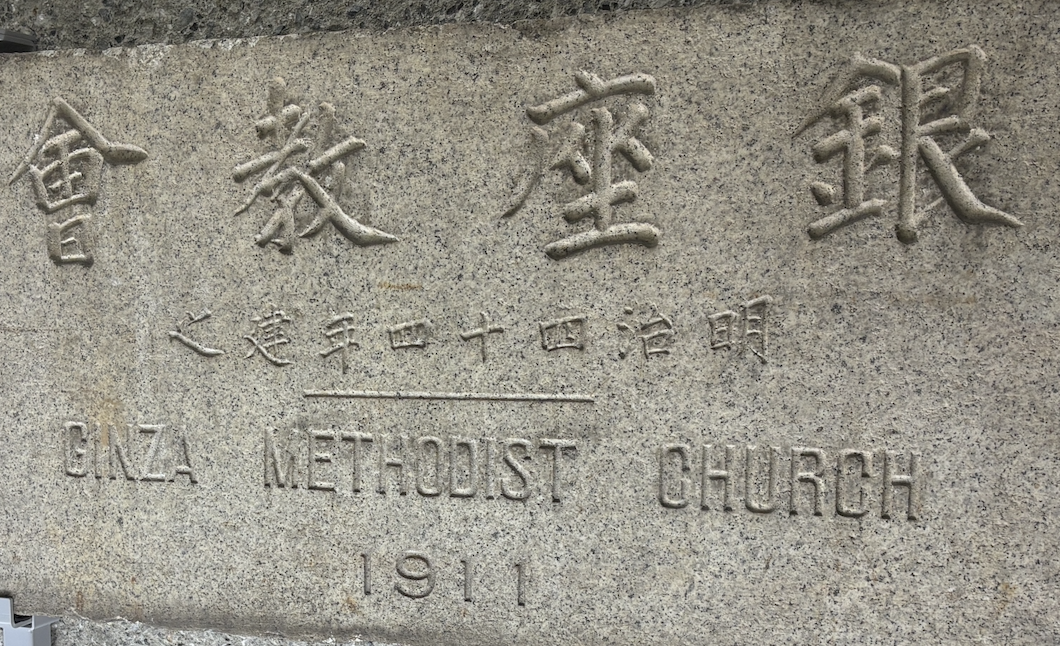
Ginza Methodist Church (Ginza Kyōkai)'s Signage. Courtesy of the Ginza Methodist Church. Photograph by Kay Ueda.
Ginza Methodist Church (Ginza Kyōkai)'s Signage. Courtesy of the Ginza Methodist Church. Photograph by Kay Ueda.
Welfare Advancement of the Japanese Community
The Fukuinkai was active in advancing the welfare of the Japanese immigrant community in the United States, responding closely to their evolving needs. In response to the Gaelic incident in 1887, in which Japanese passengers were prevented from disembarking a ship on the grounds of a smallpox infection, the Fukuinkai collaborated with other organizations to seek resolution through newspaper editorials, negotiations with the Japanese consulate, and direct dialogue with the ship’s captain (Second Section A).
Building on this experience, in 1889, the Fukuinkai convened a founding assembly to promote unity, drawing a crowd of 300 participants, but this did not result in the formation of a unified organization (Second Section B). Nevertheless, continued deliberations eventually led to the establishment of the Greater Japanese Association (Dai Nihonjin-kai) in 1890. Despite its initial scepticism, the Fukuinkai would eventually adopt a more cooperative stance; by 1891, some members had joined the new association, and the Fukuinkai even suspended its own weekly meetings to participate in the association’s gatherings (Second Section C).
As the Fukuinkai gradually deemphasized its religious character, it increasingly assumed the role of a general-purpose Japanese community organization, thus enhancing the broader welfare and cohesion of the immigrant population.
Strengthening Solidarity with the Japanese Community
The Fukuinkai’s members consistently revered the emperor and expressed a sincere desire for their homeland’s advancement. On the emperor’s birthday (Tenchō-setsu), the Fukuinkai held internal celebratory gatherings and occasionally suspended meetings to participate in events organized by other Japanese associations (Early Section A, Second Section B, Third Section B). At the 1893 celebration, the venue was adorned with the flag of Japan and an imperial portrait (Seiei), and the program was attended by approximately 100 participants and included the singing of the national anthem “Kimigayo,” the reading of imperial rescripts (Kyoiku Chokugo), and patriotic speeches (Second Section C).
In the same year, after the YMCA was expelled from the Greater Japanese Association because of perceived disrespectful remarks during the welcoming ceremony for the Japanese warship Kongō and the National Foundation Day celebration, the Fukuinkai actively participated in commemorative events to dispel mistrust toward Christians. The Fukuinkai also held a celebration on the opening day of the Imperial Diet, further emphasizing its alignment with national milestones (Second Section C). An exception to this general tendency was the fundraising effort and subsequent donation of sixty dollars, which directly contributed to the establishment of the Doshisha English School (Second Section C).
During the First Sino-Japanese War, Fukuinkai members expressed heightened interest by delivering speeches at weekly meetings, organizing victory celebrations, and even sending five members back to Japan to serve in the military (Third Section B). These actions not only reflected the members’ patriotic sentiments but also helped build trust and strengthen cohesion within the Japanese immigrant community. Notably, during the Russo-Japanese War, which broke out in 1904, members of the Gospel Society were active in fundraising activities for military relief. The Application Register for Military Relief Contributions (1904, JAHA Collection) stated that a total of 25 members provided donations amounting to $158.

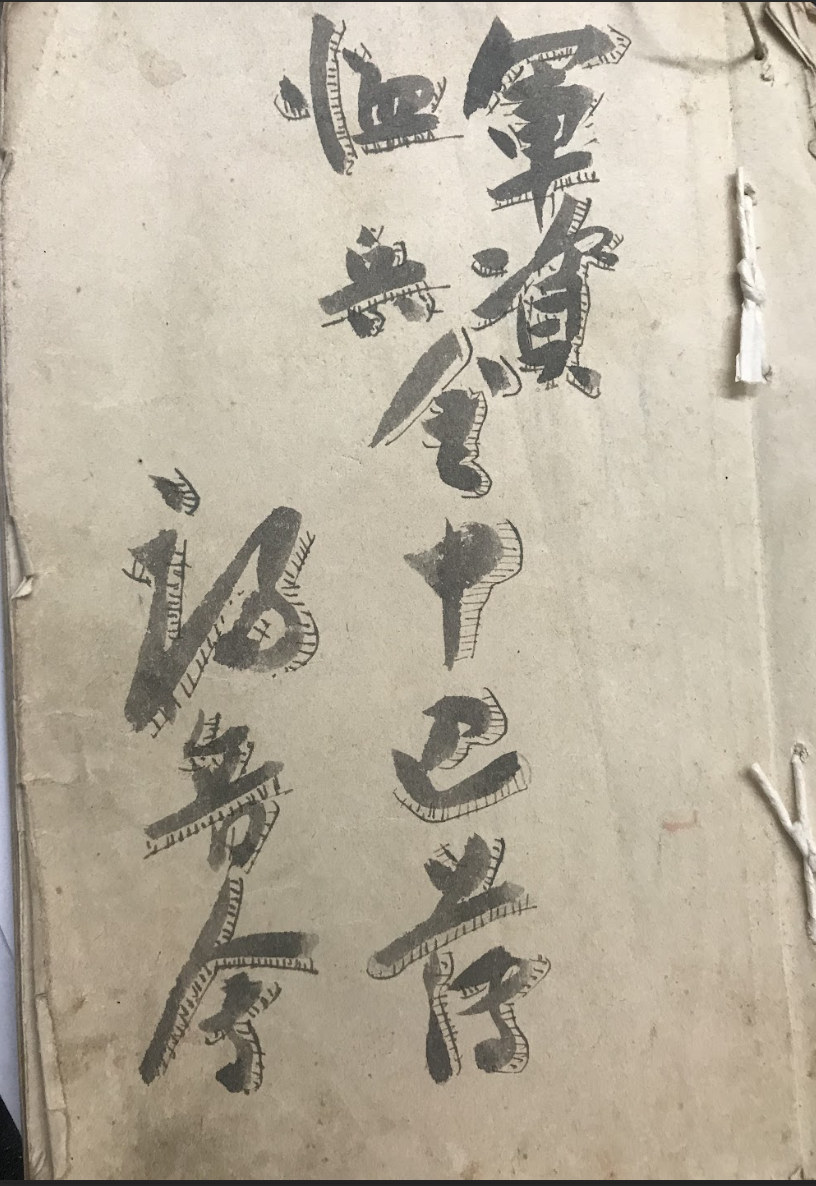
The Application Register for Military Relief Contributions of Fukuinkai, JAHA Collection, JCCCNC
The Application Register for Military Relief Contributions of Fukuinkai, JAHA Collection, JCCCNC
Conclusion
This study examines the development of the Fukuinkai, a Japanese student organization that, between 1881 and 1889, sought to secure its position within American society by cultivating relationships with Methodist missionaries, Chinese Christian leaders, Japanese smallpox patients, leaders of Japanese immigrant associations, Japanese politicians, and Christian churches in Japan. Through these diverse interactions, the Fukuinkai acquired practical knowledge that fostered its organizational growth and shaped its emerging identity as an agent in the formation of the Japanese American community. Consequently, its activities expanded beyond student support to encompass the wider immigrant community, the host society, and institutions in Japan. By synthesizing records from 1877 to 1897, this study reassesses the historical significance of the Fukuinkai’s activities during this formative period as follows:
Overall, the historical trajectory of Japanese immigrant communities in the United States from the late nineteenth century onward has been significantly influenced by several principles distilled from the Fukuinkai’s activities. First, despite periods in which the Fukuinkai was strongly influenced by American Protestant denominations, it operated as a non-sectarian volunteer organization committed to immigrants’ welfare and educational support. Second, the Fukuinkai responded to anti-Asian discrimination by contributing to the formation of a transnational national identity among Japanese migrants albeit at the cost of interethnic solidarity with Chinese immigrants, a stance that differed from that of contemporary Japanese American Christians. Third, the Fukuinkai’s educational programs nurtured student migrants’ moral development and cultural self-expression and served as a formative space for their personal growth. Fourth, the Fukuinkai sought legal means to address educational discrimination against Asians and, at the same time, actively promoted immigration restrictions on Japanese prostitutes without engaging with their voices or lived experiences. Fifth, religion played a crucial role in strengthening solidarity among immigrant organizations, preserving ethnic cultural heritage, and cultivating communal cohesion within the Japanese diaspora. Finally, despite expanding women’s participation through the 1883 Women’s Charity Association, the Fukuinkai continued to exclude women from leadership and oppose their political involvement, as evidenced by the failed 1887 female officer election and later debates rejecting women’s political meetings and suffrage, thereby reproducing gendered hierarchies even while professing religious universalism.
The Fukuinkai’s activities offer a lens through which race, religion, gender, and education are negotiated in immigrant community formation, revealing tensions between inclusion, exclusion, and self-representation in the creation of Japanese American identity.
 Built with Shorthand